If you’ve ever stood next to a working transformer, you’ve probably felt that low, thrumming hum that lets you know the power grid is doing its job. But behind that steady operation is a quieter, less visible hero: the transformer cooling control cabinet. These little (or sometimes large, depending on the substation setup) boxes are the ones keeping the transformer’s temperature in check—if they go down, the transformer overheats, which can lead to outages, costly repairs, or even full replacements. As a supplier who’s been building, troubleshooting, and training teams on these cabinets for over a decade, I’ve seen firsthand that half the issues we fix aren’t from faulty parts—they’re from cutting corners on safety during maintenance or repairs. Let’s break down the exact safety procedure we walk every client through, because rushing this stuff is when mistakes happen. Transformer Cooling Control Cabinet
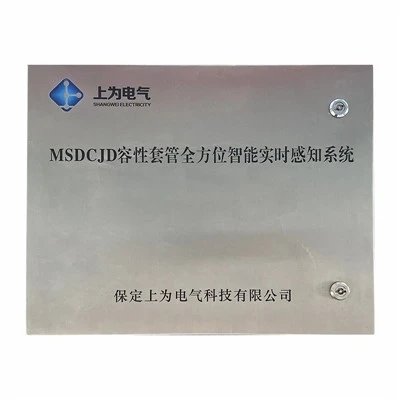
First, let’s get one thing straight: transformer cooling control cabinets aren’t like your home’s breaker box. They tie directly to high-voltage transformers, which can hold a lethal charge even after you think you’ve shut everything off. The steps here aren’t just “best practice”—they’re non-negotiable. I’ve worked with a utility team last year who skipped the lockout tagout step to “save 10 minutes” and ended up with a minor arc flash burn. That could’ve been way worse, and it all stems from assuming a cabinet is “safe” just because the switch looks off.
Let’s start with pre-work: you can’t even open the cabinet door until you’ve done your background checks. First, verify the work order. Is this a routine check? A troubleshooting call for a “cooling fan not kicking on” error? That changes how deep you go, but the safety steps stay the same. Next, do a quick visual scan of the immediate area around the cabinet. Are there wet leaves or standing water nearby? If it’s raining, is the cabinet’s weather seal intact? I can’t tell you how many times we’ve had teams come in during a light drizzle and skip putting up a temporary canopy—water and high voltage? Not a good mix. Also, make sure no one else is working on a nearby transformer or cabinet. We always ask clients to clear a 10-foot radius around the work site, just to avoid accidental bumps or someone turning a switch back on without warning.
Now, the big one: lockout/tagout (LOTO). This isn’t a suggestion—it’s OSHA standard, but I’ve seen so many teams treat it like a formality. Here’s how we do it, step by step, no shortcuts. First, locate the main disconnect for the cooling cabinet. It’s usually a big, red handle on the front of the cabinet or on the substation’s power distribution panel, not the small breaker inside the cabinet (that’s just for individual fans, not the whole system). Once you find that, flip it all the way to the “OFF” position. Then, grab a LOTO lock—this is a unique keyed lock that only the person doing the work has the key for—and clip it onto the disconnect. Then add a tag that says “DO NOT OPERATE – MAINTENANCE IN PROGRESS” in big, bold letters. And here’s the part no one talks about: you need to test that the power is actually off. Use a non-contact voltage tester—hold it near the bus bars inside the cabinet. If it beeps or flashes, power is still there, go back and check the disconnect. Don’t assume; test. I once had a new tech miss a loose wire in the disconnect, so the tester picked up residual power that the switch hadn’t cut. That’s why testing is non-negotiable.
Once power is confirmed off, the next step is preparing the cabinet itself to open. Most cooling control cabinets have a secondary internal disconnect, right? The one I mentioned earlier, the small breaker inside. Flip that to the “OFF” position too. Then, if the cabinet has a door interlock (which it should—we install these on all our units), make sure it’s disabled correctly. Never pry the door open to bypass the interlock—we’ve seen that break the interlock entirely, and then someone could open the cabinet while power is on later. If the interlock is acting up, call us instead of forcing it. Now, put on your PPE—this isn’t the fancy hard hat from construction, it’s specific for electrical work: arc flash suit rated for the voltage of the transformer (most substations are medium voltage, so a 40-cal arc flash suit is standard), insulated rubber gloves rated for that voltage, safety glasses with side shields, and steel-toe boots. No loose jewelry, no sleeves rolled up, no watches—any metal could conduct electricity if something goes wrong.
Wait, before you reach inside, let’s talk about what’s inside the cabinet. Most cooling control cabinets have: circuit breakers, contactors, thermal overload relays, temperature sensors, and maybe a small PLC (programmable logic controller) that runs the fan sequencing. None of these parts are “low power” if the main line is still hot—even the small control circuit inside the cabinet can have 120V or 240V, which is enough to give you a serious shock. So never touch any component with your bare hands, even if the main disconnect is locked out. If you need to adjust a sensor, use a insulated screwdriver, not a regular one. If you’re replacing a fan, make sure the fan’s own disconnect is also locked out—don’t just rely on the main cabinet switch.
Now, if you’re doing routine maintenance vs. troubleshooting, the steps change a tiny bit, but the core safety stuff stays. Routine maintenance (like cleaning dust off the filters, checking wire connections, testing temperature sensors) is low-risk, but you still need LOTO and PPE. Last month, a client called us because their tech was cleaning the cabinet without locking it out, and a passing lineman bumped the disconnect, turning the cabinet back on while he was inside. He got a shock and burned out a $500 sensor—way more costly than the 10 minutes of LOTO. For troubleshooting, like that “fan not kicking on” issue, you have one extra safety step: when you need to test the PLC or a live control circuit (only if it’s required for diagnostics, never for routine checks), make sure you’re using a multi-meter with insulated leads, and that another team member is standing by with the non-contact tester to watch for power spikes. Never test live circuits alone—even experienced techs slip up.
Wait, what about if the cabinet is part of a system that has multiple cooling banks? Like, a transformer might have two separate cooling fan banks, and the control cabinet switches between them. If you’re only working on one bank, you still need to lock out that specific bank’s disconnect, not the whole cabinet. We had a client last year who locked out the whole cabinet to work on one fan, and the other bank kicked on automatically when the temp rose, because they forgot to disable the auto-sequence. That almost caused a transformer overheat—lesson learned: never assume the whole system is safe unless you lock out every part you’re working on.
Another big thing: after you finish the work, before you close the cabinet, double-check everything. First, make sure no tools are left inside. I can’t tell you how many times we’ve found a screwdriver or a nut left inside a cabinet, which causes a short when power is restored. Then, remove the LOTO lock—only the person who put it on can remove it, no exceptions. Then, close and lock the cabinet door, turn the main disconnect back on, and run a quick test: check that the temperature sensors are reading correctly, that the fans kick on when the temp rises, that there are no error codes on the PLC. And then, log the work—date, time, what you did, any issues you found, so the next team knows.
Let me address a common myth I hear all the time: “My cabinet has a ground fault interrupter (GFI), so I don’t need to lock out.” No. GFI stops shocks from leakage, but it doesn’t guarantee that all power is off. It can trip if there’s a small leak, but it won’t cut all the power to the cabinet’s bus bars. And if you’re working on a fault that causes a short, the GFI might not trip fast enough to save you. So skip the GFI crutch—stick to LOTO and testing.
Now, as someone who builds these cabinets, I’ll add a quick note about our units specifically. All our cooling control cabinets come pre-equipped with the lockable main disconnect, integrated door interlocks, and we post clear safety labels right on the cabinet door—no small print, easy to read. We also include a quick-reference safety card inside every new cabinet, so teams don’t have to hunt for the steps when they’re in a hurry. If you’re using a different cabinet brand, make sure it has these features—if not, that’s a red flag.
At the end of the day, working on a transformer cooling control cabinet is about being meticulous, not brave. Rushing saves no one money, and cutting corners leads to accidents. If your team needs a refresh on these steps, or you’re looking to upgrade your cooling control cabinets to make maintenance safer, we’re here to help. Whether you need routine maintenance training, troubleshooting support, or new units built to our exact safety specs, reach out to our team to discuss your needs. We don’t do one-size-fits-all solutions, so we’ll work with you to find what fits your substation’s unique setup.

No one wants to deal with an unexpected transformer outage, and no one wants to see someone get hurt on the job. Following these steps isn’t just about checking boxes—it’s about keeping your team safe and your power grid running. Don’t take shortcuts. Safety first, always.
Substation Monitoring Equipment REFERENCES
- Occupational Safety and Health Administration (OSHA). 29 CFR 1910.147: The Control of Hazardous Energy (Lockout/Tagout).
- Institute of Electrical and Electronics Engineers (IEEE). IEEE Standard for Safety in High-Voltage and High-Power Testing.
- National Electrical Manufacturers Association (NEMA). Standard for Enclosures for Electrical Equipment (NEMA 250).
Baoding Shangwei Electric Technology Co., Ltd.
We are one of the most professional transformer cooling control cabinet manufacturers and suppliers in China, also support customized service. We warmly welcome you to buy durable transformer cooling control cabinet at competitive price from our factory. If you have any enquiry about quotation, please feel free to email us.
Address: Building 6, Baoding Zhongguancun Digital Economy Industrial Park, No.777 Lixing Street, Baoding City, Hebei Province, China
E-mail: wendylu@swspower.com
WebSite: https://www.swspower.com/
