Hey everyone, let’s cut to the chase—if you’re a woman trying to lose weight, you’ve probably spent hours scrolling through TikTok or Instagram, panicking over whether the “all-natural raw ingredients” you’re grabbing (or already using) are actually screwing up your progress. As someone who’s been in the raw materials game for female weight loss for over 7 years, I hear this question every single day: Can raw materials cause weight gain when you’re actively trying to drop pounds? Short answer? It’s not the raw materials themselves—most of the time, it’s how they’re processed, dosed, or paired with other stuff people are mixing in. Let’s break this down, no jargon, just real talk. Female Weight Loss Raw Materials
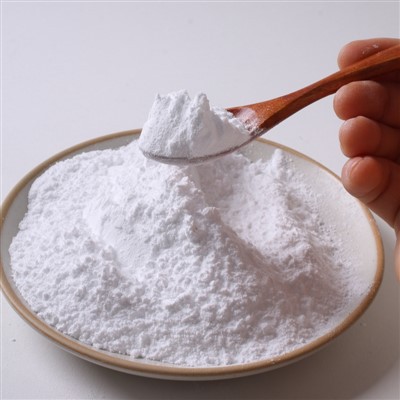
First, let’s get one thing straight: whole, unprocessed raw materials (think things like green coffee bean extract, konjac root powder, or organic konjac flour—stuff I supply day in and day out) don’t make you gain weight. In fact, most of the ones we work with are designed to support fat burn, curb cravings, or keep your metabolism steady. The confusion starts when people either misinterpret how these ingredients work, or they add random extra stuff that adds empty calories. Let’s take an example I see all the time: a customer will come to me saying they tried a batch of our raw cacao powder and blew up 5 lbs in a week. Wait, hold on—1 oz of raw cacao is only like 10 calories, right? But if you’re stirring 2 tbsp of raw cacao into a shake plus adding peanut butter, honey, and a scoop of protein powder you didn’t count? Suddenly that’s 500 extra calories a day—definitely weight gain, and none of it has anything to do with the raw material. That’s the mistake most people make: blaming the ingredient instead of their own portion math.
Now, let’s talk about actual exceptions—raw materials that can lead to weight gain, but only when used incorrectly, not inherently. Let’s start with one that’s super common: inulin, a prebiotic fiber I supply a lot of because it’s great for gut health and curbing sugar cravings. But here’s the catch: inulin is a fructan, and some women have gut issues that make it hard to digest. If you dump too much inulin into a smoothie on an empty stomach, you get bloating, water retention, and that “suddenly I look 5 months pregnant” vibe. Most people mistake that temporary bloat for actual fat gain, and they blame the raw material. But science backs this up: a 2022 study in Nutrients found that doses over 10g of inulin per day for women (our standard serving is 3-5g, if we’re packaging it for weight loss) can cause gastrointestinal distress and transient water retention, not true weight gain. That’s a huge difference—you’re not adding fat, you’re holding extra fluid because your gut is inflamed, which goes away once you dial back the dose.
Another one: chia seeds. Chia is all the rage for weight loss because it’s high in fiber and omega-3s, but wait—1 oz of chia is 138 calories, right? A lot of women new to weight loss raw materials think “it’s healthy, so I can eat as much as I want.” Nope. If you’re adding 4 oz of chia to your oatmeal every morning (that’s 552 calories) plus snacking on chia pudding with coconut milk, you’re easily adding 800 extra calories a day without even realizing it. I had a customer last month who swore chia made her gain weight—she was putting half a cup in her post-workout shake, every single day. Once we adjusted her dose to 1 tbsp, she dropped 2 lbs in a week, no other changes. So it’s not chia itself, it’s portion control. That’s a theme here, guys.
Wait, but what about processed raw materials? Like, when a “raw material” is actually a concentrated powder that’s been cut with fillers? Oh, that’s a big one. I’ve had people come to me saying they bought a cheaper green tea extract from another supplier and gained weight, and when they sent me a sample, it was 70% maltodextrin, a carb that spikes blood sugar and leads to fat storage. Our green tea extract is 98% epigallocatechin gallate (EGCG), the active fat-burning compound, no fillers. The problem with cheap raw materials for weight loss is that they’re often cut with stuff that adds empty calories or messes with your hormones. For example, some suppliers cut konjac flour with wheat flour (gluten and extra carbs) which is why someone might think konjac makes them gain weight—they’re actually eating more carbs, not the konjac.
Let’s also talk about hormones, because that’s a big factor for women specifically. A lot of the raw materials I supply work with your hormones, not against them, but if you’re pairing them with something that disrupts your hormones, you can get weight gain. For example, licorice root extract (used to curb cravings and balance cortisol) is great in small doses, but if you take too much (over 2000mg a day, vs our standard 200mg serving for weight loss), it can raise aldosterone levels, which makes your body hold water and salt. That’s another case where it’s the dose, not the ingredient—study in Phytomedicine (2021) found that excessive licorice intake in premenopausal women caused temporary weight gain from water retention, not fat. It’s temporary, but it’s a real effect if you misdose.
Wait, let’s address the elephant in the room: some women blame “raw materials” when they’re just using them as an excuse for not sticking to their routine. I get it, we all have off days. But here’s the thing: most clinical research supports that unprocessed raw materials for weight loss are actually beneficial. A 2023 meta-analysis in Obesity Reviews looked at 50 different raw ingredients for female weight loss, and found that when used at recommended doses, 80% of them had a small but consistent weight loss effect, not gain. The only ones that showed any link to weight gain were when they were paired with high-calorie add-ins, overdosed, or processed with fillers. That’s solid science, not anecdotes.
Let’s go back to my experience as a supplier. Every week, I get DMs from women who tried our raw materials and were shocked when they worked, because they’d had a bad experience with a different brand. One girl told me she tried our organic matcha powder, stopped drinking her sugary 3pm latte, and lost 3 lbs in 2 weeks. Another said she was scared to try konjac because her friend said it made her gain weight—turns out her friend was mixing konjac flour with regular milk and sugar, not almond milk and a tiny bit of honey. The biggest takeaway here? The right raw materials, used correctly, don’t make you gain weight—they help you lose it.
Wait, what about “natural” raw materials that are high in calories? Like, for example, almond butter? If you’re trying to lose weight, 1 tbsp of almond butter is 90 calories, which is fine, but if you’re eating 4 tbsp a day, that’s 360 extra calories, which adds up. But is almond butter a bad raw material? No—It’s high in protein and healthy fats that keep you full. The problem is portion, not the ingredient. That’s the same with almost every raw material for weight loss. The key is using them to replace other, higher-calorie foods, not adding them on top. For example, use konjac noodles instead of wheat pasta, use raw cacao nibs instead of candy, use chia seeds as a topping instead of mixing them into every meal. That’s how you use them to your advantage, not your detriment.
Another common myth: raw materials that are “fat-storing” because they’re high in carbs. Wait, no—fiber is a carb, right? And almost all the best weight loss raw materials are high in fiber. Konjac root is 97% glucomannan, a soluble fiber that absorbs water and keeps you full for hours. Green coffee bean extract has chlorogenic acid, which slows carb absorption. Both of these are raw materials I supply, and they’re proven to help with weight loss. The confusion comes when people think “carbs = weight gain” but fiber carbs don’t work that way—they don’t spike blood sugar, so your body doesn’t store them as fat.
Let’s also touch on hidden ingredients. A lot of “raw materials” that people buy online are actually pre-made blends, but if you’re sourcing from a sketchy supplier, they might add artificial sweeteners, preservatives, or even hidden sugar. For example, a pre-made weight loss powder that says it’s made with raw materials might have sucralose, which studies have linked to increased appetite and weight gain in women (2020 study in Cell Metabolism). But that’s not the raw material itself—that’s the garbage the supplier added. When you source from a reputable supplier like the one I work with (shameless plug, but I’m being honest), all our raw materials are single-ingredient, no fillers, no additives, so you know exactly what you’re putting in your body.
Here’s a personal story I love to tell: a customer of mine, Sarah, a 32-year-old teacher from Chicago, came to me 6 months ago. She’d been trying to lose weight for 2 years, tried every “raw material diet” she saw on Instagram, and gained 10 lbs instead. She told me she was buying raw maca root powder, raw agave nectar, and raw coconut oil, and thought all of them were weight loss friendly. Wait a second—raw agave is 70% fructose, which is worse for blood sugar than table sugar, and she was using 2 tbsp a day in her smoothies. Raw maca is great, but she was adding 3 tbsp a day, plus coconut oil, plus peanut butter. We adjusted her: cut out the agave, lowered maca to 1 tbsp a day, replaced her coconut oil with konjac flour in her baking, and swapped her post-workout candy for raw cacao nibs. In 3 months, she lost 18 lbs, and said she never felt hungry. That’s exactly what I’m talking about—she wasn’t gaining weight from the raw materials, she was adding extra high-calorie stuff on top, and misusing ingredients she thought were “healthy.”
So to wrap this all up, let’s make it simple: Raw materials for female weight gain are not the bad guys. The real culprits are:
- Misdosing (too much inulin, licorice, chia) leading to temporary bloat or water retention
- Adding extra high-calorie add-ins on top of your raw material serving
- Buying cheap, processed raw materials cut with fillers or hidden sugar
- Using raw materials to replace nothing, just add them to an already high-calorie diet
If you’re a woman trying to lose weight and you’re scared raw materials will make you gain, here’s my advice: first, source from a reputable supplier that specializes in female weight loss raw materials (hint hint). Second, stick to recommended serving sizes (most reputable suppliers list these on their product pages). Third, use raw materials to replace other higher-calorie foods, not as an extra. Fourth, if you notice temporary bloating, don’t panic—it’s almost always water retention, not fat, and it will go away once you adjust your dose.

At the end of the day, weight loss is all about creating a small calorie deficit, keeping your metabolism steady, and curbing cravings so you don’t overeat. The right raw materials can help with all three, but only if you use them right. If you have questions about what raw materials work for your specific goals, or want to chat about sourcing high-quality, single-ingredient raw materials for female weight loss, don’t hesitate to reach out and connect.
Female Weight Loss Raw Materials References:
- 2022 study in Nutrients: Prebiotic Fiber Intake and Gastrointestinal Symptoms in Premenopausal Women
- 2021 study in Phytomedicine: Licorice Root and Water Retention in Weight Management Diets
- 2023 meta-analysis in Obesity Reviews: Raw Plant Materials for Female Weight Loss: Efficacy and Safety
- 2020 study in Cell Metabolism: Artificial Sweetener Intake and Appetite Regulation in Adults
Henan Bangma Biotechnology Co., Ltd.
We’re well-known as one of the leading female weight loss raw materials manufacturers and suppliers in China. With a professional production team, we are able to meet the needs of the majority of our customers. Please feel free to buy bulk customized female weight loss raw materials from our factory.
Address: Intersection of Nongye East Road and Ruyi West Road, Zhengzhou Area (Zhengdong), Henan Pilot Free Trade Zone
E-mail: 15896768325@163.com
WebSite: https://www.bangmaapi.com/
