If you’re a Toyota 4Runner owner (or a fellow automotive professional) who’s ever had to replace worn brake discs, you know the frustration of sifting through endless parts listings, conflicting advice, and generic components that don’t live up to your rig’s unique demands. As a brake discs supplier specializing in Toyota models—including the 4Runner, which I’ve worked with for over a decade—I’m here to cut through the noise and break down exactly what brake discs fit this iconic SUV, why “one size fits all” never works, and how to pick parts that keep your 4Runner safe, reliable, and ready for whatever you throw at it, whether that’s daily commutes, off-roading, or towing a heavy load. Brake Discs for Toyota
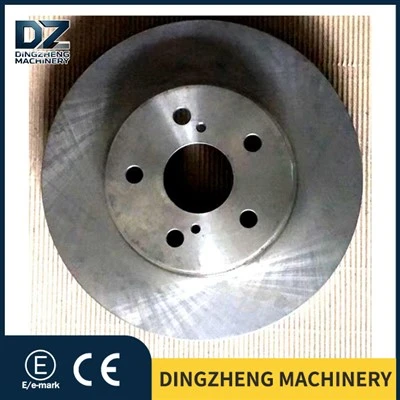
First, let’s ground this in the 4Runner’s design, because its brake needs aren’t like a standard sedan’s. The 4Runner has been in production since 1984, with five distinct generations (N50, N60, N80, N210, N280) spanning three decades, so brake disc specs change drastically across model years, trim levels, and use cases. That’s the biggest mistake I see customers make: buying a brake disc labeled for a generic “Toyota SUV” without checking their specific build.
Let’s start with the generations, because that’s the easiest baseline. For N80 generation 4Runners (1996–2002) — the fourth gen’s predecessor, common as budget off-road builds — most factory front brake discs have a 295mm outer diameter, 5×114.3mm bolt pattern, and a thickness of 28mm. Rear discs for this generation are usually 297mm, but some rear-wheel-drive models got drum brakes, so if you have a gen 3 4Runner, double-check your axle setup before buying. For the N210 (2003–2009), the fifth gen’s older sibling, front discs jump to 319mm, rear discs stay around 299mm, with a thicker heat-resistant core designed to handle the 4Runner’s increased towing capacity (many N210s can tow up to 7,000 pounds, which puts way more stress on brakes than a small car).
The N280 generation (2010–present, the current 4Runner) is where specs vary most, because Toyota upgraded brakes for higher trim levels and off-road trims like the TRD Pro. Base SR5 models still use front discs around 319mm, but TRD Off-Road, TRD Pro, and Limited trims get larger 338mm front discs with a slotted or cross-drilled surface from the factory, plus thicker cores to handle hard off-road stops and high-temperature braking. If you own a 2023 4Runner TRD Pro, a $20 generic brake disc for a base SR5 won’t fit, and worse, it won’t dissipate heat fast enough when you’re descending a steep mountain trail, leading to brake fade that’s not just uncomfortable—it’s dangerous.
Now, beyond generational and trim differences, your use case is the next make-or-break factor. A 4Runner used for daily commuting and occasional grocery runs doesn’t need the same brake disc as one that’s navigating Rubicon Trail or towing a 6,000-pound camper cross-country. Let’s break down the three main categories of brake discs we supply for the 4Runner:
-
OE Replacement Brake Discs: These are designed to match the exact specs of factory 4Runner discs. For our OE line, we use the same cast iron grade as Toyota’s original parts, with a 32mm core thickness (most aftermarket “economy” discs skimp on core thickness, using 25mm or 26mm to cut costs) and a precision-machined surface that prevents warping during hard stops. These are the safest, most reliable pick for daily drivers who don’t modify their rig, because they fit exactly where the factory part did, no modifications needed. For example, a 2018 4Runner SR5 will get the same OE front disc as the factory, with no need to adjust calipers or wheel spacers. We test every OE replacement disc on a brake dyno to ensure it meets Toyota’s heat dissipation standards, which is why so many of our customers come back for repeat orders.
-
Performance Brake Discs for Off-Road & Towing: If you’re using your 4Runner for off-roading or towing, heat is your brake’s worst enemy. When you’re descending a 10% grade for 10 miles, your brakes heat up to over 800°F—way hotter than the 500°F factory test standard. Our performance line for the 4Runner includes cross-drilled and slotted discs, but not the cheap ones you see on Amazon. We use carbon-alloy cast iron that can handle up to 1,200°F, and the cross-drilled holes aren’t just for looks: they blow away brake dust faster, prevent gas buildup between the pad and disc (which causes soft brakes), and channel heat away from the rotor surface. For towing specifically, we also offer “big brake kit” compatible discs that pair with upgraded calipers, so you can stop a heavy load without straining your factory calipers. A lot of off-roaders tell us that after switching to our performance discs, they no longer get that spongy brake feel when heading down a trail—a common complaint with cheap aftermarket parts.
-
Budget-Friendly Brake Discs for Older Rigs: If you own a 1990s or early 2000s 4Runner that’s your workhorse, you don’t want to overspend on premium parts when the rig’s not worth a full upgrade. We make a line of economy discs for older 4Runners that meet FMVSS (Federal Motor Vehicle Safety Standards) requirements, fit perfectly on N50, N60, and early N80 generations, and cost 30% less than OE replacements, without cutting corners on safety. These are perfect for owners who just need a reliable set to get to work and run errands, and they come with a 12-month warranty, so if you run into issues, we stand behind them.
Now, here’s the part most people miss: fitment isn’t just about diameter and bolt pattern. You also have to check the “hub pilot diameter” and “offset” of the disc, or it won’t seat properly on the axle, leading to vibration at high speeds. For example, many aftermarket brake discs for the 4Runner have a universal hub pilot, but our discs are machined to match the exact hub diameter of each 4Runner generation—so the disc sits flush, no wobble, no uneven pad wear. We also make sure the disc’s offset matches the factory’s, so you don’t have to grind your wheel hubs or modify your caliper brackets. I’ve had customers come to me after buying a cheap disc online that required a 1mm shim to fit, which messed up their wheel alignment and caused premature tire wear—something we never have to deal with because our fitment is precise.
Another common question: can I mix brake discs on my 4Runner? Technically, you can, but I don’t recommend it. If you put a larger performance disc on the front and a smaller OE replacement on the rear, you’ll get uneven braking force, which can make the 4Runner pull to one side when you stop hard. We always recommend replacing all four discs at once, or at least the front pair, to ensure consistent braking performance. For example, if you’re upgrading to performance discs for off-roading, get the front and rear set—we offer package deals that save customers 15% when they buy both axles.
Now, let’s talk about a few common pitfalls to avoid. First, don’t buy brake discs based solely on price. A $20 disc vs. a $60 disc might look the same, but the cheaper one is made with low-grade cast iron that warps after a few months of hard use, or has a thin core that can’t handle heat. Second, always verify your model year, trim, and axle setup. For rear discs, some 4Runners have disc brakes, some have drums—if you mix those up, you’ll buy a front disc for the rear axle, which doesn’t fit at all. Third, don’t forget to replace your brake pads when you replace discs. Worn pads can scratch the new disc’s surface, leading to uneven wear, and it’s a safety hazard—brakes are a system, not individual parts.
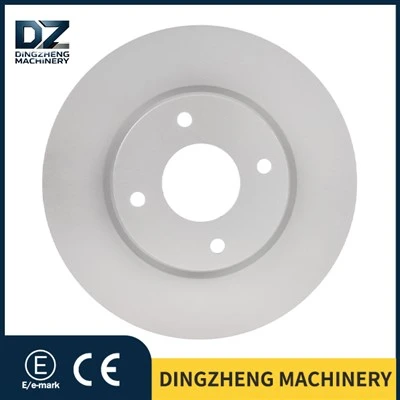
As a supplier, I don’t just sell brake discs—I work with 4Runner owners every day to find the right fit for their needs. Whether you’re a weekend off-roader, a daily commuter, or someone who uses their 4Runner to tow equipment for work, I can help you pick a set of discs that fits perfectly, meets your budget, and keeps you safe. If you’re ready to browse our line, or have questions about fitment for your specific 4Runner, don’t hesitate to reach out to discuss your brake disc needs and place an order.
Automotive Brake Disc References
- Toyota Motor Corporation. (2022). 4Runner Brake System Specifications by Generation. Toyota Technical Service Bulletin 01-001-22.
- National Highway Traffic Safety Administration (NHTSA). (2021). FMVSS Standard 135: Brake Systems for Passenger Vehicles.
- Automotive Brake and Rotor Manufacturers Association (ABRMA). (2020). Best Practices for Brake Disc Fitment and Heat Resistance.
Laizhou Dingzheng Machinery Co., Ltd.
As one of the most professional brake discs for toyota manufacturers and suppliers in China, we’re featured by quality products and good price. Please rest assured to buy cheap brake discs for toyota for sale here from our factory. We also accept customized orders.
Address: Luan Jia village, Tushan town, Laizhou city, Shangdong
E-mail: AMY@cndingzheng.com
WebSite: https://www.dingzhengbrake.com/
