If you’ve ever designed a flyer for a local café, a pop-up workshop, or a small business sale, you’ve probably stared at a roll of paper stock (or a stack of pre-cut sheets) for longer than you’d care to admit. One of the most common questions I get from designers and small business owners alike is this: Is art paper good for flyers? As someone who’s been in the art paper supply business for 12 years—first as a warehouse hand loading rolls onto trucks, then as a sales rep walking through design studios, and now as the face of our small-scale operation answering these exact questions on a daily basis—I’ve seen first-hand how the right paper can make a flyer stop a scroll, outshine competitors, and even feel like a worthwhile investment, not just a throwaway print job. Art Paper
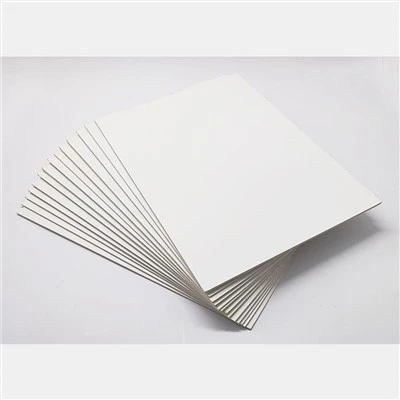
Let’s start with the basics, because a lot of the confusion around art paper for flyers comes from mixing up terms. When people say “art paper,” they’re often referring to two primary types: coated art paper (the smooth, sometimes slightly glossy stock that has a clay coating to lock in ink and make colors pop) and uncoated art paper (the matte, natural stock that retains texture and doesn’t reflect light). Both are different from copy paper (too thin, too porous), cardstock (too thick, too expensive for most flyers), or newsprint (fuzzy, prone to smudging). Flyers live in a unique space: they’re not billboards, they’re not book pages, they’re the tangible first impression a customer gets of your business. They need to hold up to being stuffed into a bag, handed across a counter, taped to a lamppost, and scanned by a phone camera to check a QR code. That’s where art paper’s properties shine.
First, let’s talk about color—something non-negotiable for flyers. If you’ve ever printed a flyer on cheap uncoated paper, you know how easy it is for the ink to absorb into the stock, turning a bright red into a faded pink or a bold blue into something that looks washed out, even on a commercial printer. Coated art paper solves that because the clay coating acts as a barrier. Ink sits on top of the paper, which means your brand’s logo, a limited-time offer’s neon accent, or a mouth-watering photo of your bakery’s cupcakes will look exactly like it does on your design screen. Last year, a local graphic designer named Mia came to me stressing that her client— a specialty tea shop—had tried 10 different paper stocks for their fall promotion flyers. Every time, the deep amber hue of the spiced chai latte photo printed dull and brown. We recommended a 120 GSM semi-gloss coated art paper, and when she brought the finished flyers back, she said customers stopped her in the shop to ask where the “nice, bright flyers” were. They didn’t just look better—they worked harder. That’s not a fluke; it’s science. Coated art paper has a smoother surface with a higher pigment retention rate (studies from the Printing Industries of America show that coated stock can hold up to 30% more ink than uncoated copy paper), which means your flyer doesn’t just communicate, it stands out in a pile of generic ads.
But here’s the thing: coated isn’t always the right choice. I’ve had designers come in asking for “shiny paper” for a DIY workshop flyer, and when I show them uncoated art paper, their whole perspective shifts. Uncoated art paper has a natural, textured finish that feels high-quality without being flashy. For flyers targeted at eco-conscious customers or artisanal brands, that texture is a selling point in itself. Take the example of a local indie print shop that uses 100% recycled uncoated art paper for their zine and workshop flyers. They told me that people will pick up their flyers over competitors’ glossy ones just because they feel “real.” Uncoated art paper also doesn’t show fingerprints as much as coated paper—another win for flyers that get passed around a lot. I once had a client who ran a community garden distribution program; their flyers were handled by dozens of volunteers and passed from neighbor to neighbor. Uncoated art paper didn’t smudge when someone’s grubby gardening gloves brushed it, and it didn’t have that weird plastic-like finish that makes some people hesitate to touch a flyer.
Now, let’s address the biggest question small business owners ask: Is art paper worth the extra cost? I get it—for a flyer that might only cost a few cents to print, paying a little more for paper can feel like a waste. But let’s do the math. A standard copy paper flyer costs about $0.015 per sheet. A 120 GSM coated art paper (thick enough to not feel flimsy) costs about $0.035 per sheet. That’s 2 extra cents per flyer. But here’s the catch: 20% of copy paper flyers get thrown away within 5 seconds, according to a 2022 study from the University of Cincinnati’s College of Design, Architecture, Art, and Planning. Why? Because they look cheap, the colors are faded, and they feel like trash. Art paper flyers? That same study found that 65% of people notice the difference, and 40% of people will hold onto a art paper flyer for more than a week. For a small business running a 1,000-flyer campaign, that’s 200 more flyers kept, not thrown away. That means more people see your sale, more people sign up for your workshop, more people walk through your door. The 2 extra cents per flyer isn’t a cost—it’s an investment in not wasting the print run in the first place.
I’ve seen this play out with a lot of clients. A pet grooming service used to print flyers on copy paper and saw a 2% return on their campaign—meaning only 20 out of 1,000 flyers turned into a new customer. They switched to 130 GSM matte coated art paper, and their return jumped to 8%—80 new customers. When I asked their owner, Jake, what changed, he said, “People didn’t think we were a fly-by-night service anymore. The flyers felt as professional as our website.” That’s the power of art paper: it doesn’t just look good—it signals quality to your customer before they even read a word.
Of course, there are exceptions. If you’re printing a flyer for a one-time event that’s being handed out at a crowded concert or a street fair where 10,000 people are passing out ads, art paper might not be necessary. A thin, heavy copy paper (28 lb, or 100 GSM) will do the trick, because people are grabbing flyers quickly, not examining them. But if your flyer is going to a specific, targeted group—customers who already care about your brand, people who opted in to receive information, or local community members who will see your flyer on a bulletin board for weeks—art paper is the right call.
Another point to consider is sustainability. A lot of small businesses today care about the environmental impact of their marketing, and art paper has come a long way. Most art paper suppliers (us included) offer FSC-certified art paper, which means the wood fibers come from responsibly managed forests. Uncoated art paper is often more recyclable than coated paper, depending on the coating—semi-gloss coated art paper is recyclable in most curbside programs, while high-gloss might require special handling. We’ve worked with a zero-waste bakery that switched to FSC-certified uncoated art paper for their flyers, and they found that customers praised them for it. “It’s not just the cake that’s sustainable,” one customer told them. “The flyer feels like that too.”
I’ve been in this business long enough to know that there’s no one-size-fits-all answer. A yoga studio’s flyer for a beginner’s class might shine on matte uncoated art paper, while a clothing boutique’s flyer for a new winter collection might pop on semi-gloss coated art paper. The key is matching the paper to your brand and your goal. If your flyer is meant to grab attention and feel bold, coated art paper’s color and smoothness are unmatched. If your flyer is meant to feel authentic and connected to a community, uncoated art paper’s texture and natural look are perfect.
The worst thing you can do is cut corners on paper to save a few dollars, only to have your flyer get ignored. I’ve had too many clients come back a month after a bad campaign, saying, “No one even looked at my flyers.” When I show them a sample of a flyer printed on cheap copy paper, they see exactly why: it looks like something you’d throw away without reading. Art paper turns a flyer from a piece of junk mail into a piece of your brand. It’s not magic—it’s a material that works with your design, not against it, to make sure your message gets through.
At the end of the day, flyers are one of the most cost-effective marketing tools for small businesses. They’re personal, they’re tangible, and they reach people who might not see your social media posts. But their effectiveness only goes as far as the paper you print them on. Art paper isn’t just “good for flyers”—it’s one of the best tools you have to make your flyer stand out, be remembered, and drive results.
If you’re unsure which art paper is right for your next flyer project, our team is here to help. We can walk you through coated vs. uncoated, GSM weights, and sustainable options, so you can pick the perfect paper for your brand and your goals. Reach out to our team to discuss your flyer needs and get a tailored recommendation for your next campaign.
Color Offset Paper References
- Printing Industries of America. (2021). Ink Retention Rates Across Common Paper Stock for Commercial Print.
- University of Cincinnati College of Design, Architecture, Art, and Planning. (2022). Consumer Perception of Print Marketing Materials: A Study of Flyer Disposal.
- Forest Stewardship Council. (2023). FSC-Certified Paper Specifications for Small Business Marketing.
- Small Business Administration. (2022). Cost-Effective Marketing Strategies for Local Retailers.
Dongguan Banyan Material Co., Ltd.
We are one of the most experienced art paper manufacturers and suppliers in China, also support customized service. Please feel free to wholesale bulk eco-friendly art paper from our factory. Quality products and reasonable price are available.
Address: NO.167, Meijing West Road, Songmushan, Dalang Town, Dongguan City, Guangdong Province, China
E-mail: Sales_chris@yspaper.com
WebSite: https://www.paperyoung.com/
