If you’ve ever walked past a modern storefront, a sleek patio pergola, or even a backyard outdoor kitchen, you’ve probably spotted aluminum sheet—often without even noticing. As an aluminum sheet supplier, I get asked this question all the time: Can aluminum sheet really hold up outside? For years, many people assumed metal exteriors belonged to steel or copper, but aluminum’s unique properties make it not just a viable outdoor material, but often the best choice. Let’s break down the science, the real-world performance, and why aluminum sheet should top your list for outdoor projects. Aluminum Sheet
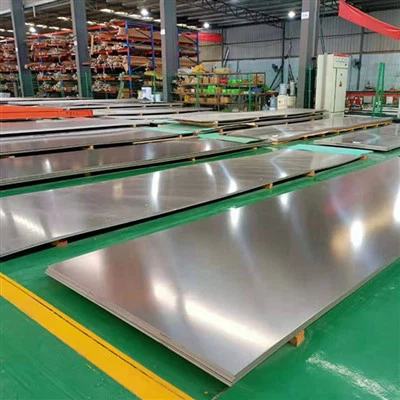
First, let’s address the biggest concern with outdoor materials: corrosion. Most metals react with oxygen and moisture to form rust or patina, but aluminum does something clever when exposed to the elements. When a bare aluminum sheet is outside, a thin, invisible layer of aluminum oxide forms almost instantly on its surface. This layer is tough, non-porous, and self-healing—if it’s scratched or damaged, it reacts again with oxygen to repair itself, stopping corrosion in its tracks. Unlike iron, which turns to flaky rust that spreads and weakens the material, aluminum’s oxide layer locks out moisture and prevents further degradation. I’ve seen this firsthand: a 10-year-old aluminum fascia panel I supplied to a residential customer last year had no more than a faint, uniform gray patina, while the adjacent galvanized steel panel had already developed uneven rust stains and small holes. That’s not a fluke—it’s basic chemistry, and it’s the foundation of aluminum’s outdoor durability.
Of course, not all aluminum sheet is created equal for outdoor use. That’s why as a supplier, we don’t just stock one grade of aluminum for exterior projects. The most common and effective grade for outdoor applications is 5052 aluminum, a non-heat-treatable alloy with added magnesium. The magnesium boosts the aluminum’s strength, especially against salt corrosion—critical for coastal areas where salt air is a constant threat. I had a customer in Florida’s Panhandle last year who installed 5052 aluminum window trim, and after three years, there was no sign of pitting or rust, even on the edges that are exposed to salt spray. For harsher environments, like industrial zones with high levels of airborne chemicals, we recommend 6061 aluminum, which has a bit more silicon for increased resistance to acid and other pollutants. Some people ask if bare aluminum is enough, and the answer is: most of the time, yes. But if you want a custom color finish—like matte black for a modern patio roof or metallic red for a storefront—aluminum can be powder-coated or anodized, adding an extra layer of protection that lasts 15 to 20 years, even in direct sun.
Sunlight is another big factor for outdoor materials. UV rays can fade paint, crack coatings, and weaken metals over time, but aluminum handles extreme temperatures and UV exposure far better than many alternatives. Unlike wood, which warps or rots after a few seasons, or vinyl, which becomes brittle and cracked in cold weather, aluminum sheet is lightweight, flexible, and temperature-stable. I’ve supplied aluminum sheets for pergolas in Arizona, where summer temperatures regularly hit 115°F, and the panels still hold their shape without warping, and for cabin exteriors in Minnesota, where winter lows drop to -20°F, no cracking or brittleness has been reported after five years. That temperature resilience comes from aluminum’s low coefficient of thermal expansion—it expands and contracts much less than steel, so it doesn’t develop gaps or loose fasteners over time. For installers, that means less maintenance: no tightening warped panels, no resealing cracked joints, which is a huge plus for residential and commercial properties alike.
Cost is a common point of hesitation when switching to aluminum. Some people see the upfront price tag and assume it’s more expensive than steel or wood, but the long-term value tells a different story. Steel, for example, might be cheaper to buy initially, but it needs regular painting every 3 to 5 years to prevent rust, plus occasional repairs for corrosion damage. Wood rots, requires staining every 2 to 4 years, and is prone to insect damage and fire risk. Aluminum sheet, on the other hand, is virtually maintenance-free. I’ve had customers who installed aluminum siding 12 years ago reach out last month for a replacement order—they didn’t need to repair the old siding, they just wanted a different trim color for a new addition. That lack of maintenance adds up: over 20 years, aluminum often ends up being cheaper than steel or wood when you factor in labor, materials, and time spent upkeep. For commercial property managers, that’s a big deal—less time on maintenance means more time focusing on their business.
Let’s also talk about the versatility of aluminum sheet for outdoor uses, because it’s not just for siding or trim. I’ve supplied material for patio table tops, outdoor fire pit surrounds, garden edging, even custom planters that stay outside year-round. Unlike ceramic or stone, aluminum is lightweight, so you can move a custom planter without a forklift, and it won’t crack if it’s dropped or exposed to freezing temperatures. For architects, aluminum’s ability to be cut, bent, and formed into custom shapes makes it ideal for modern designs that need clean lines—think curved roof panels for a boutique hotel or decorative lattice for a residential fence. I worked with a design firm in Portland last year that used aluminum sheet to create a facade with subtle geometric patterns; the panels were CNC-cut, powder-coated a soft gray, and after two years, they still look as crisp as the day they were installed, no fading or chipping.
Of course, there are a few common misconceptions about aluminum outside that I hear all the time, and it’s important to set the record straight. Some people worry that aluminum will dent easily, making it unsightly for outdoor use. While it’s softer than steel, 5052 and 6061 grades are strong enough to resist dents from hail, falling branches, or accidental impacts. I once supplied a customer with aluminum garage door panels, and after a hailstorm that dented their steel door next to it, the aluminum only had a few tiny, barely noticeable marks—easy to buff out with a metal polish if desired. Another misconception is that aluminum is a conductor, so it’s unsafe for outdoor projects near power lines. But when properly installed with insulated fasteners, aluminum’s conductivity is actually a benefit for lightning protection, as it dissipates strikes safely without catching fire, unlike wood or vinyl. And for people who want a “natural” look, bare aluminum develops a uniform patina over time, which many customers love—it adds character without the uneven, unsightly rust that steel gets.
As an aluminum sheet supplier, I’ve seen too many projects where property owners wasted money on materials that couldn’t hold up to the outdoors. That’s why I always take the time to walk through a customer’s needs: where is the project located? Coastal, inland, urban? What’s the expected lifespan? Do they want custom finishes or a natural look? Based on that, I can recommend the right aluminum grade and finish to fit. For example, a small backyard fire pit might work with thinner 0.04-inch 3003 aluminum, which is lighter and more affordable, while a commercial storefront needs thicker 0.08-inch 5052 for extra durability against foot traffic and weather. I also work closely with installers to share tips for proper installation, like using stainless steel fasteners to avoid galvanic corrosion (a common mistake when mixing aluminum and steel, which can cause small amounts of corrosion on the aluminum surface) and leaving small gaps for thermal expansion to prevent panel buckling.

At the end of the day, aluminum sheet is one of the most practical, durable, and versatile materials for outdoor use, and it’s only growing in popularity as more people prioritize low-maintenance, long-lasting building materials. It’s not just a trendy choice—it’s a smart investment for any outdoor project, whether it’s a small residential upgrade or a large commercial development. If you’re planning an outdoor project, or you’re curious about how aluminum sheet could work for your needs, reach out to our team to discuss your requirements. We can help you select the right material, answer any questions about durability or installation, and provide the quantity you need, no matter the size of your project.
Galvanized Products References
- ASM International. (2005). Corrosion: Causes, Effects, and Prevention. Materials Park, OH: ASM International.
- Aluminum Association. (2021). Aluminum for Exterior Applications: Performance Guidelines. Washington, DC: The Aluminum Association.
- National Association of Home Builders. (2019). Maintenance Cost Comparison of Exterior Building Materials. Washington, DC: NAHB Research Center.
- International Code Council. (2020). Code Requirements for Metal Building Materials for Outdoor Use. Country Club Hills, IL: International Code Council.
Xi’an Dongmeng Group Co., Ltd.
Xi’an Dongmeng Group Co., Ltd. is one of the leading aluminum sheet manufacturers and suppliers in China. We warmly welcome you to buy or wholesale cheap aluminum sheet in stock here from our factory. All customized products are with high quality and competitive price. For free sample, contact us now.
Address: Room 4107, Runfeng Building, Sanqiao New Street, Weiyang District, Xi’an City, Shaanxi Province
E-mail: office@dongmjd.com
WebSite: https://www.cndmmetal.com/
