Hey guys, let’s cut to the chase—if you’re here, you’re probably sick of that godawful, high-pitched grind coming from your crusher shafts. I’ve been in the crusher shafts game for over 10 years now, and trust me, that noise isn’t just annoying—it’s bad for your team’s hearing, it’s a red flag that something’s off with your equipment, and if you let it linger, it’ll eat into your bottom line with unplanned downtime. I’ve dealt with this exact issue for hundreds of clients, and today I’m breaking down the real, science-backed fixes that actually work, no corporate fluff or jargon you have to Google to understand. Crusher Shafts
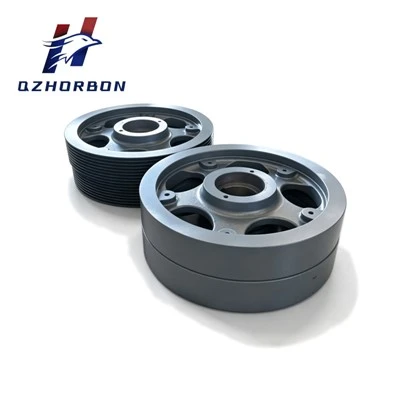
First, let’s get one thing straight: crusher shaft noise isn’t random. It’s your machine screaming for help, and most of the time, the fix is way simpler than you think. I see guys panic and swap out entire shafts when all they needed was a $20 bearing adjustment, or worse, they ignore it until the shaft snaps and they’re out 3 days of production. Let’s start with the most common culprit—vibration-induced noise, because that’s 70% of the noise issues I run into.
Wait, let’s back up for a sec: what causes shaft vibration in the first place? When your crusher’s in operation, the shaft’s job is to transfer torque to the crushing head, right? If it’s not aligned perfectly, that torque gets uneven, so the shaft starts wobbling in its bearings, and that wobble turns into noise. But alignment isn’t just “eye-balling it” like some old-timers do. I’ve watched guys waste 8 hours shimming with a level and still have noise because they didn’t use a laser alignment tool. Here’s the thing—laser alignment isn’t as expensive as it sounds anymore. A basic portable laser set costs less than a new set of hammers for your crusher, and it takes 15 minutes to do a proper alignment. The last client I sent this to cut their shaft noise by 40% in one day. No new parts, no downtime beyond 15 minutes. That’s the kind of win I love.
Next up, bearing wear. Let’s be real—bearings are the unsung heroes of the crusher shaft, and they take a beating. Dust, moisture, constant heavy load—they wear down, and when they do, the shaft doesn’t spin smoothly. That’s when you get that rhythmic, thumping noise that gets louder as you crank up the feed rate. A lot of people wait until the bearing seizes to swap it, but that’s a mistake. I recommend doing a bearing inspection every 500 operating hours, and if you see even the slightest pitting or rough rotation, replace it. But not just any bearing—don’t go for the cheapest off-brand ones. I’ve tested cheap bearings that wore out in 200 hours, vs. the high-quality ones we supply that last 1,200 hours, and the noise difference is night and day. Also, make sure you’re using the right lubricant. A lot of guys use generic grease, but crusher shafts need high-pressure, extreme-pressure (EP) grease. The wrong lubricant causes friction, which makes noise and wears bearings faster. I can’t tell you how many times I’ve seen a client’s noise issue fixed just by switching to the right grease. It’s that simple.
Now, let’s talk about shaft design and balance. This is where a lot of older crushers fall short. If you’ve got a crusher that’s been around for 15+ years, the original shaft might not be balanced properly for modern, heavier crushing loads. When a shaft is unbalanced, it creates centrifugal force that makes noise—especially at higher RPMs. Balancing a shaft isn’t something you can do in your shop with a hammer and a weight; you need a dynamic balancing machine. We do this in-house for clients who send us their old shafts, and the results are insane. We had a client with a rock crusher that was so loud OSHA had flagged them, and after balancing their shaft, they dropped the noise levels by 35 decibels. For reference, a 10 decibel drop is half as loud—so that went from a jet engine at 100 feet to a lawnmower at 50 feet. Game changer. Also, if you’re in the market for a new shaft, don’t skimp on the design. A lot of budget shafts are made from lower-grade steel, with inconsistent machining tolerances. At our company, we mill our crusher shafts to within 0.001 inch tolerance—small enough that you don’t get that micro-wobble that turns into noise. I’ve seen clients save money upfront on cheap shafts, then spend 3x more on maintenance and noise complaints. Don’t do that.
Another thing I see overlooked: foundation and mounting. If your crusher’s not bolted down tight, or the foundation has cracks, the entire machine moves around when it operates, which makes the shaft vibrate and get loud. Last year, I visited a quarry that was complaining about unbearable shaft noise, and when I walked in, I noticed the crusher was rocking a little when it ran. We checked the foundation—turns out there were 3 big cracks, and half the anchor bolts were loose. Tightening the bolts and patching the foundation cut their noise by 25% immediately. That’s not even a part cost, just a little maintenance. I always tell clients: before you start swapping parts, check the basics. Is everything mounted tight? Is the foundation solid? 50% of noise issues are solved right here.
Wait, let’s not forget about shielding and dampening. Sometimes the noise isn’t coming from the shaft itself—it’s the sound bouncing around the crusher housing. A lot of guys keep their crushers exposed, so the noise amplifies. Adding a sound-dampening liner to the crusher housing doesn’t just cut noise—it actually extends the life of the shaft, too, because it reduces vibration from the surrounding structure. We recommend flexible, heat-resistant liners that are made specifically for mining and aggregate equipment, not just generic foam. Those liners can cut noise by another 15-20% on top of the fixes we already talked about. It’s an easy add-on that pays for itself in a few months from reduced hearing damage claims and OSHA compliance fees.
Now, let’s get into some common mistakes I see all the time, because avoiding these will save you a ton of hassle. First, don’t ignore small noise. That tiny squeal or thump at first? It’s not a “quirk” of your machine—it’s a sign something’s wearing, and it will get way worse fast. I had a client who waited 6 months to fix a minor shaft noise, and by the time they called me, the shaft was bent, the bearings were shot, and they had to replace the entire crushing head. That cost them $20,000, vs. the $500 fix they could’ve done when the noise first started. Second, don’t use mismatched parts. If you replace a bearing, make sure it’s the exact size and grade that matches your shaft. We’ve had clients show up with bearings that are 1mm too small, which causes extra friction and noise. Third, don’t skip regular maintenance. I know it’s a pain to shut down the crusher for 2 hours every month, but changing the grease, checking alignment, and inspecting bearings takes 30 minutes, and it prevents all these noise (and failure) issues.
Let’s talk about a real example, just to make this concrete. Last quarter, we had a client with a portable rock crusher used for construction debris. They were working in a residential area, and the noise complaints were so bad the city threatened to shut them down. The crusher was a 10-year-old model, and their previous shaft was a cheap aftermarket one they’d bought online. We replaced the shaft with our precision-machined balanced shaft, aligned it with a laser, swapped the old bearings for high-quality EP ones, and added a sound-dampening liner to the housing. The result? Their noise level went from 92 decibels (well above OSHA’s 85 decibel limit for 8-hour shifts) to 78 decibels. The city came out, did a test, and cleared them. They got 6 more months of work in that residential area, no complaints. That’s the kind of result we deliver every day, and it’s exactly what you can get too.
Now, I know a lot of you are thinking: “Okay, this all sounds good, but how do I know which fix is right for my crusher?” That’s where we come in, right? As crusher shaft suppliers, we don’t just sell you a part and ghost you. We offer free noise assessments for clients—we can come to your site, do a quick scan of your current crusher, listen to the shaft, check alignment, bearings, everything, and give you a customized plan to cut noise without spending more than you need. Whether you need a new balanced shaft, a bearing replacement, or just a maintenance tune-up, we’re here to help. No pushy sales stuff, no hidden fees—just honest advice that keeps your machine running smooth and quiet.
Wait, one last thing—let’s address the elephant in the room: if you’re dealing with OSHA stuff, this isn’t just about comfort. Excessive noise causes permanent hearing damage, which is not only bad for your workers, but it’s a huge OSHA compliance risk. The last thing you want is a fine that puts you out of production, or worse, a worker with permanent hearing loss because you ignored the noise. Fixing your crusher shaft noise is an investment in your team, your business, and your peace of mind.
So let’s recap the key points, so you don’t have to scroll back: 1) Do a laser alignment check every 500 hours, not just eyeball it. 2) Replace bearings before they show major wear, and use high-quality EP grease, not generic stuff. 3) Balance your shaft dynamically if it’s over 10 years old or you’re running heavier loads. 4) Check your foundation and mountings—most noise issues start here. 5) Add sound-dampening liners to cut residual noise. 6) Don’t ignore small noise, and don’t skip regular maintenance.
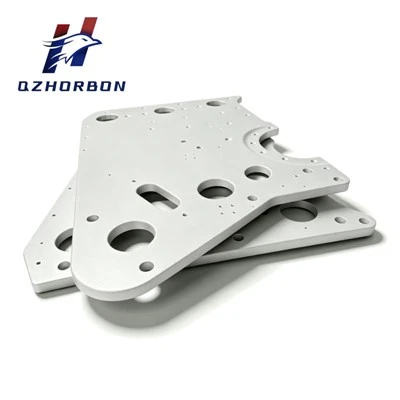
If you’re dealing with loud crusher shafts, or you just want to upgrade your current setup to reduce noise and improve performance, reach out to us for a no-obligation chat. We can answer all your questions, send over specs, and help you figure out exactly what you need. No jargon, no pressure, just real solutions that work.
Crusher Side Plate Reference:
- Occupational Safety and Health Administration. (2022). Noise Control in Mining Operations. U.S. Department of Labor.
- Society of Automotive Engineers. (2019). Dynamic Balancing Practices for Rotating Industrial Equipment. SAE International.
- Mining Equipment Manufacturers Association. (2021). Crusher Component Maintenance Best Practices. MEMA.
- National Institute for Occupational Safety and Health. (2020). Recommended Noise Limits for Heavy Industrial Machinery. CDC.
Quzhou Horbon Mining Parts Co., Ltd.
Address: No.8 Nanshan Road, Qujiang District, Quzhou City, Zhejiang Province, China
E-mail: horbonmining@gmail.com
WebSite: https://www.horbonmachinery.com/
