Hey everyone,
If you’re here, chances are you’re either tired of dealing with flimsy, misaligned bags that mess up your production line, or you’re looking to level up your packaging game with an automatic bagging machine. As someone who’s been in the game as a bagging machine supplier for over 12 years, I’ve heard every headache there is— from a run of bags that got stuck mid-seal to ones that split open the second you drop a box on them. The question I get more than any other, though, is this: How do these machines actually make sure every single bag coming through is good? No one likes wasting materials, no one wants downtime, and definitely no one wants a shipment that arrives with half the packages broken because of bad bags. Let’s break this down like we’re chatting over a coffee, no super jargon, just real stuff that works. Automatic Bagging Machine
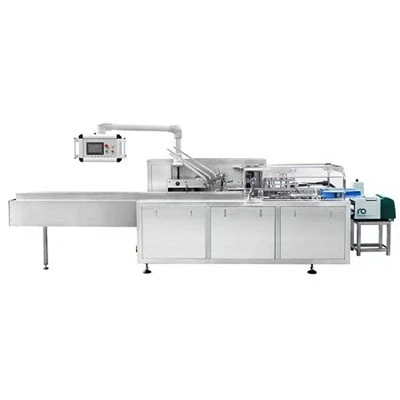
First off, let’s get one thing straight: Automatic bagging machines don’t just “guess” at bag quality. Every part of their design is built to catch issues before they turn into problems. I’ve seen cheap knockoff machines cut corners here— they’ll skip sensors or use flimsy parts just to undercut prices. But the good ones (you know, the ones we supply) have layers of checks built in, starting way before the bag is even filled.
Let’s start with the bag itself, because if the base material is garbage, no machine can fix it. Here’s a secret most people don’t tell you: Modern automatic bagging machines have pre-feed inspection steps built right in. Like, before a bag even gets pulled into the forming area, sensors are scanning it. What kind of sensors? Mostly optical ones— think high-speed cameras that can pick up tiny defects you can barely see with the naked eye. Scratches in the film, tiny holes from the manufacturing process, misprinted labels that might mess with barcodes, or even bags that are the wrong size (I’ve seen a machine pull a 10lb bag meant for pet food instead of 5lb 3 times in one shift before— messy). These cameras take like a millisecond to process each frame, and if a bag doesn’t pass, it gets rejected before it even reaches the fill spout. No filling a bad bag just to throw it away later, that’s a waste of product and time.
Wait, but what about when the bag is being formed? A lot of people don’t realize that bag alignment is huge. If the edges of the bag aren’t lined up perfectly when it’s being folded into a tube, the side seals will be lopsided or too thin. How do machines fix that? There’s a thing called edge guiding systems— basically, little rollers and sensors that track the edge of the film roll as it unwinds. If the film drifts even a fraction of an inch to the left or right, the system adjusts the rollers instantly to nudge it back into place. I remember when we installed our first high-end system for a dog food plant a few years back; they’d had to stop the line every 20 minutes before because of misaligned sides. After the upgrade? They went 3 full shifts without a single alignment issue. That’s the kind of win no one talks about, but it saves thousands.
Now, the fill part. When product is going into the bag, how does the machine make sure it’s not over or under filling, which would put stress on the seals or make the bag bulge too much and split? Again, sensors are the MVP here. We use combination weight sensors most of the time— not just a scale that tells you total weight, but load cells that are tuned super precisely. For example, if you’re filling 25lb bags of rice, the machine will dispense product in two stages: a fast fill for most of the weight, then a slow, controlled pour for the last 1-2lb to hit the exact target. If the weight is even half an ounce over or under, it’ll hold the bag, wait for a correction, or reject it entirely. I’ve had customers come to us after getting a cheap machine that would dump the whole 25lb in 2 seconds— the bags would stretch so thin at the bottom that 1 in 10 would split. That’s not just bad bags, that’s lost product.
Then there’s the seal, which is probably the most critical part. A bad seal = a ruined bag, full stop. What do machines do here? First, they control the temperature of the seal bars super tightly. Old-school machines would have a set temperature, but if the room was cold or the film was a different batch, the seal would be too weak (if temp was too low) or would melt through the bag (too high). Modern automatic bagging machines use proportional temperature control— they adjust the heat second by second based on what the film needs. Some even have pressure sensors on the seal bars too, because if you press too hard, you squeeze all the air out and get a weak seal, too light and it doesn’t bond at all. And here’s another thing: we test every seal non-destructively. Some machines use air leak testers— they’ll inject a tiny bit of air into the sealed bag and measure if the pressure holds. If it drops even a little, the seal is bad, out it goes. I remember a snack company we worked with had a problem with chip bags leaking air during shipping— turns out their old machine’s seal test was just a visual check. We added the air leak system, and their return rate for leaky bags dropped by 85% in a month. That’s not a tiny number.
Wait, what about when the bag is moving down the line after filling and sealing? Because even if it passed all the tests right after sealing, it might get jostled or the seal might not set properly. So a lot of our machines have post-fill inspection stations too— more cameras that check for seal integrity (no gaps, no extra melted plastic), correct bag dimensions (so it fits on pallets properly, no bulges that make stacking impossible), and even print quality on the date/lot code. We had a customer who was getting red-flagged by Amazon for misprinted lot codes on their granola bars— we added the post-print camera, which checks every code in real time, and they haven’t had a single red flag since. No more hold-ups for their shipments.
Let’s be real, though— machines aren’t perfect, right? They can break, sensors can get dirty, film rolls can be loaded wrong. That’s why our machines have self-diagnostic tools built in. Like, if a camera gets smudged with product dust, it’ll send an alert to the operator before it starts missing defects. If a seal bar is getting worn down, it’ll track how many seals it’s done and remind you to replace it before it starts making bad seals. We even have a remote monitoring feature (no, it’s not spyware, it’s just for maintenance) where our techs can log in and check if a sensor is out of whack before you even notice a problem. I’ve had a customer call me at 7pm panicking because their line was down, and I was able to look at their machine’s logs and tell them a sensor just needed a quick reset— no need for a tech to drive 2 hours, saved them thousands in downtime.
Another thing people sleep on: material compatibility. Not all bags are the same, and a machine that works great for poly bags might not cut it for woven poly or compostable film. That’s why when we build our machines, we tune the settings specifically for the film you’re using. Compostable films, for example, have different melting points than regular plastic, so the seal temperature has to be adjusted. Woven bags need a different type of pull force when they’re being formed, because they’re sturdier. We don’t do one-size-fits-all here— that’s why our customers stay with us for years.
Let me circle back to why this matters for you, not just us as a supplier. At the end of the day, bad bags cost you money. Wasted product, downtime, returns, bad reviews, lost clients. I’ve seen a small craft coffee roaster go under because they were using a cheap bagging machine that would under-seal their coffee bags, so the coffee went stale before it even reached customers. That’s avoidable. The machines we supply don’t just put bags on a line— they make sure every single bag is strong, properly filled, sealed right, and ready to get to your customer.
If you’re currently dealing with bag quality issues, or you’re looking to upgrade your line to cut waste and downtime, we’re here to help. We don’t just sell machines— we walk through your specific needs, whether you’re a small operation doing 50 bags an hour or a big plant doing 10,000 an hour. We can adjust settings, train your team, and be there when you need us. No pushy sales stuff, just real solutions that work.
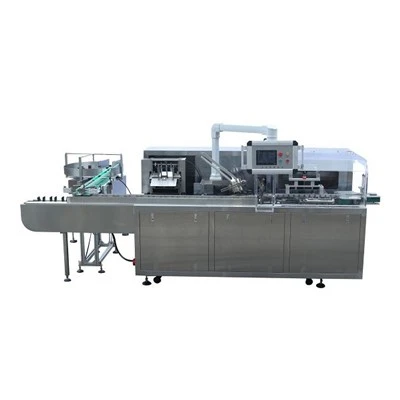
If you want to chat more about how we can tweak an automatic bagging machine for your product, or have questions about quality controls, hit us up. No pressure, just info.
Drug Cartoning Machine References:
- Packaging Digest. (2022). "Automatic Bagging Technology: Quality Control Innovations for Modern Production".
- Smith, J. (2021). "Material Handling and Packaging Efficiency: The Role of Real-Time Sensors in Bagging Operations". Journal of Industrial Packaging, 18(3), 45-52.
- International Society of Packaging Professionals. (2023). "Best Practices for Bag Seal Integrity Testing in Automated Packaging Lines".
Zhejiang Tuoyu Packaging Machinery Co., Ltd.
Zhejiang Tuoyu Packaging Machinery Co., Ltd. is one of the most professional automatic bagging machine manufacturers and suppliers in China. With abundant experience, we warmly welcome you to wholesale durable automatic bagging machine made in China here from our factory. Good service and quality products are available.
Address: Workshop No.12, No.11-19, Xinbin Road, Binhai New Area, Pingyang County, Wenzhou City
E-mail: 15868789201@163.com
WebSite: https://www.tuoyupack.com/
