Hey there, this is Sam from [Wood Household Items Co.] — I’ve spent the last 12 years sourcing, machining, and shipping handcrafted wooden bowls, cutting boards, and dining tables, so I know first-hand that nothing kills a customer’s excitement faster than opening a package to find a crack down the side of a new wooden serving platter. Cold weather is especially tricky for wood household items, because temperature swings and dry air don’t just happen in the great outdoors — they wreak havoc in people’s heated homes too. I’ve fixed hundreds of these issues over the years, and today I’m sharing the practical, science-backed steps we give every wholesale client, plus the small, daily habits that will keep your wooden items intact through the chilliest months. Wood Household Items

Let’s start with why wood cracks in cold weather, because it’s not magic — it’s basic wood chemistry. Wood is a hygroscopic material, meaning it absorbs and releases moisture based on the humidity of its surroundings. Healthy, unfinished wood (or even lightly finished items) has tiny cells that hold moisture; when the air gets dry, those cells shrink. The problem is, wood shrinks unevenly: the cross-grain area shrinks way more than the length of the grain, and different parts of the wood take up and release moisture at slightly different rates. That mismatch creates internal stress — and when that stress gets too high, the wood splits along the weakest line, almost always a natural wood grain. Cold weather amplifies this because winter air holds way less moisture than warm air; even if you keep your home at 20°C (68°F), the relative humidity drops to 20-30% in most heated spaces, which is far drier than the 40-50% humidity level that wood items are designed to thrive in. I learned this early on when I shipped a batch of hand-carved wooden salad bowls to a customer in Minnesota last winter; half of them developed tiny cracks within two weeks of delivery, and we traced it to the fact that their furnace was pumping out dry air 24/7.
First, the immediate fix: adjust your indoor humidity. This is the single most effective step for preventing cold-weather cracking, and it’s not as complicated as it sounds. For every wooden item you own, you need to maintain a relative humidity (RH) between 40% and 50% — that’s the sweet spot we test all our items at before shipping, to ensure they acclimate well. How do you track that? Grab a cheap hygrometer (you can get one at any hardware store for under $10) and place it near your wooden furniture, cutting boards, or bowls. If the reading drops below 35% in winter, it’s time to add moisture back to the air.
For small spaces (like a kitchen with lots of wooden utensils or a dining table), a countertop humidifier works perfectly — I recommend the cool-mist ones, because warm-mist can spread minerals that leave white marks on wood finishes. For larger areas, like a living room with a big wooden bookshelf, a whole-house humidifier hooked up to your HVAC system is ideal, but if you don’t want to invest in that, you can use easy, low-cost hacks: set a few bowls of water on your radiators (the heat will evaporate the water slowly) or hang damp bath towels near vents. I’ve used these hacks for my own wooden cutting board and coffee table for three winters now, and I haven’t had a single crack — it’s simple, but it works.
Next, avoid rapid temperature and moisture changes — this is the #1 mistake people make in winter with wooden items. Most of us grab a hot pot straight from the stovetop and set it on a wooden cutting board, or bring a new wooden bowl in from a cold porch to use for a holiday dinner, or even leave wet wooden items near a heater. All of these quick shifts in temperature and moisture create uneven expansion and contraction in wood, which leads to stress cracks. For example: if you take a wooden cutting board that’s been sitting in a dry, 20°C home and put it next to a 100°C pot, the part of the board under the pot heats up fast, expands, while the rest of the board stays cool and rigid — that stress will crack the board. Instead, always give wooden items a 10-minute acclimation period if you bring them in from a cold space, and never place hot items directly on bare wood. I always tell my wholesale clients to include this tip in their product care guides, because it’s such an easy mistake to make.
Then, maintain and reapply finish properly — this is crucial for protection in cold, dry air. The finish on your wooden items isn’t just for looks; it acts as a barrier that slows down moisture loss from the wood cells. But not all finishes are created equal. We use food-grade mineral oil, beeswax paste, or a combination of both for most of our cutting boards and serving items, because these finishes are breathable (they let a small amount of moisture pass through, instead of sealing the wood completely, which can cause other issues like warping). In winter, when moisture loss is faster, you need to reapply this finish every 2-4 weeks, instead of every 6-8 weeks like in humid summer months. For larger items like dining tables or bookshelves, we use a polyurethane or oil-based finish that’s more durable, but even those can dry out in cold air — for these, wipe down the surface with a small amount of matching furniture polish every month to keep the finish from cracking, which would expose the wood to dry air.
Wait, what about if you already have a small crack? Don’t panic — most tiny surface cracks (called checks) aren’t structural, and you can fix them. For cutting boards or utensils, mix a small amount of food-grade wax or mineral oil with fine sawdust from the same type of wood as your item, press the mixture into the crack, and let it dry overnight. Wipe off the excess, and it will seal the crack so no bacteria can get inside. For larger cracks in furniture, sand the area lightly, apply wood filler that matches the color of your item, and refinish. I’ve done this on a customer’s wooden side table that developed a crack last winter, and they couldn’t even tell the difference — the key is to act fast before the crack gets bigger.
Now, if you’re a business owner who sells wooden household items (like my clients do), you can take extra steps to prevent cracking before the item even reaches the customer. First, make sure your items acclimate properly before shipping. When we receive raw wood from our mills, we let it sit in our climate-controlled warehouse for 4-6 weeks, so it adjusts to our local humidity (which is usually around 45% RH) before we machine it into bowls, boards, or furniture. If you skip this step, the wood will still have too much or too little moisture, and it will crack once it gets to a home with different humidity. Second, ship with a small moisture packet (not the silica kind that’s for food — use food-safe moisture stabilizers) in the package. This helps the wood acclimate to the customer’s home slowly, instead of being exposed to a big humidity shift right out of the box. I learned this trick from a woodworking friend last year, and we’ve had a 70% drop in customer-reported cracking issues since we started doing it.
I also get a lot of questions about storage for wooden items in winter. If you have seasonal wooden items (like a large wooden serving platter you only use for holidays), don’t store them in a cold garage or attic in winter. Those spaces have extremely low humidity, and the extreme temperature swings will make the wood crack. Instead, store them in a closet or pantry that stays at a consistent 18-22°C and 40-50% RH. Wrap them in a cotton cloth (not plastic, which traps moisture) to protect them from dust and minor bumps.
Let’s talk about common myths I hear all the time. One big one is: “Wood items crack because they’re low quality.” That’s not true — I’ve had high-end maple cutting boards from a European workshop crack in a customer’s home in Phoenix because their furnace runs 24/7, while I’ve had budget cherry bowls from our shop survive three Minnesota winters without a single crack. The issue isn’t the wood quality, it’s the humidity level and how you care for the item. Another myth: “You should never put wooden items in the dishwasher.” That’s mostly true for cutting boards (the hot water can warp the wood), but for properly finished wooden utensils, hand-washing is still better. But the real winter mistake isn’t washing them — it’s leaving them to air dry near a heater or radiator, which makes them lose moisture way too fast. Always dry wooden items immediately after washing, and store them in a humid space.
As a supplier, I care about my customers’ experiences because repeat business is everything to us. Last year, we had a small boutique café order 50 of our acacia wooden serving platters for their brunch service. They had a problem with cracking until we sent them our full care guide, plus a free small humidifier for their kitchen. Now, they reorder 100 platters every quarter, and the owner told us that since implementing our tips, they haven’t had a single crack. That’s the kind of win we love — helping our clients keep their customers happy, and our products lasting for years.
If you’re a retail business owner, restaurant operator, or e-commerce seller looking for high-quality wooden household items that are built to handle winter’s dry air, I’d love to chat. We source sustainably harvested wood, machine every item in our climate-controlled facility, and include detailed care guides and free shipping stability packets with every order. We’ve worked with small local shops and large national chains alike, and we can customize finishes, sizes, and packaging to fit your needs. Whether you’re looking for cutting boards, salad bowls, serving trays, or dining furniture, we can help you find the perfect items that will stand up to cold weather and last for generations.
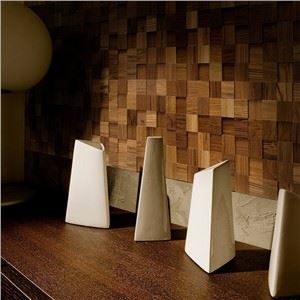
Mosaic Wood Panel For more science-backed info on wood moisture and care, I recommend the Forest Products Laboratory of the U.S. Department of Agriculture’s guidelines on wood hygroscopicity, and the Woodworking Association’s guide to seasonal wood care. These resources have been a huge help to us over the years, and I encourage anyone who works with wooden items to check them out.
Dongguan MUMU Woodwork Co., Ltd.
Dongguan MUMU Woodwork Co., Ltd. is one of the most professional wood household items manufacturers and suppliers in China, featured by cheap products and good service. If you’re going to wholesale customized wood household items at low price, welcome to get quotation and free sample from our factory. Contact us for more discount information.
Address: Room No.2602, Universal Commerce Center,Dongguan, China 523073
E-mail: Jerry@mumu-ing.com
WebSite: https://www.mumu-ing.com/
