Hey everyone, it’s Jake here, and after 8 years selling power distribution cabinets (PDUs—yeah, I use that abbreviation way more than the full term these days) I’ve seen a lot of things. Mostly cool installs, big projects that make me proud, and then… the stuff that makes me want to hand customers a coffee and a reality check about why their last cabinet died way early. A lot of new folks in industrial or commercial spaces reach out asking “why did my PDU crap out?” and honestly? 90% of the time it’s a fault we could’ve prevented if we’d talked through small details before they hit the switch. Today I’m breaking down the most common faults I see, straight from the guy who’s fielding the 2AM panic calls when a warehouse loses power because their cabinet went sideways. Power Distribution Cabinet
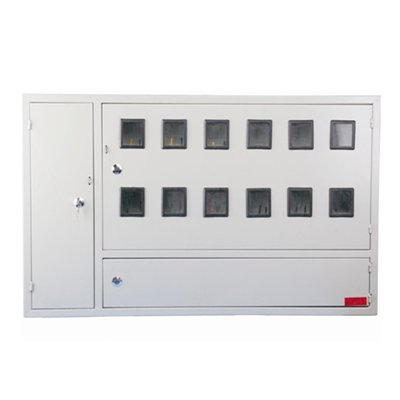
First up, let’s talk about something super boring but so crucial—loose connections. I swear this is like the #1 mistake, no exaggeration. I’ve seen brand new PDUs pulled out of crates, installed, and dead within a week because the tech didn’t torque the bus bars right, or the circuit breakers were hand-tight instead of using a proper torque wrench. Here’s the thing about loose connections: they don’t just “stop working” right away. They create tiny gaps where electricity arcs, which builds up heat over time. I mean, not just a little heat—enough to soften copper wires, melt insulation, and eventually cause a short circuit. Last year I worked with a small café that had a PDU installed in their basement for their espresso machines and walk-in fridges. Their tech tried to speed up the install, skipped torqueing the neutral bar, and within 3 months the loose connection arced, fried the neutral, and almost took out their whole electrical system (and their weekend revenue—yikes). People think PDUs are just boxes with switches, but every wire and bolt is carrying power, and skipping the tiny steps leads to big headaches. I always tell my install clients: torque every single connection to the exact spec we send them, no exceptions. That 10-minute step saves you a 3-day emergency call.
Next, overloading. Oh man, this one’s so avoidable but I see it all the time, especially with small business owners who try to save money by undersizing their PDU. Let’s be real—when you’re setting up a new office or a small warehouse, it’s tempting to go for the cheapest PDU that fits your current load, right? But what happens when you add 5 more workstations, or a new conveyor belt, or even a space heater in winter? Suddenly that cabinet’s running way over its rated current, and the circuit breakers are working overtime. Wait, but what’s the actual fault here? Overloading causes the cabinet’s internal components—bus bars, wires, breakers—to heat up beyond their design limit. Breakers might trip constantly (which is annoying) but if they’re misrated or worn, they won’t trip when they’re supposed to, leading to overheating, insulation failure, and even fires. I had a client last quarter who got a super cheap PDU for his bike shop. He thought he only needed 100A, so he bought a 100A cabinet. Then he added a new air compressor, a charging station for his delivery e-bikes, and extra lighting—all on the same cabinet. Within 6 months, the main bus bar started deforming from constant overcurrent, and he had to shut down the shop for a full day to fix it. My advice? Always size your PDU for 20-30% extra capacity, even if that means spending a little more upfront. Way better than paying to replace a whole cabinet and fix damage when you outgrow it.
Third, environmental damage. I know, PDUs are supposed to be built to withstand stuff, but people keep putting them in places they definitely weren’t designed for. Let’s start with dust and moisture—super common in places like construction sites, agricultural barns, or even old basements with leaky pipes. If a PDU doesn’t have the right IP rating (wait, IP rating = Ingress Protection, for those who don’t geek out on the shorthand), dust gets into the switch contacts, builds up, and causes resistance, which leads to heat again. Moisture? Even a little condensation can cause corrosion on the metal parts, or create accidental paths for electricity (short circuits). I had a farm client who installed a standard indoor PDU in their animal barn to power their feed mixers. The barn was super humid, plus hay dust was everywhere. Within 8 months, the circuit breaker contacts were corroded so bad they wouldn’t switch on, and we had to replace the whole unit. For places with dust or moisture, you need an industrial-grade PDU with higher IP ratings—IP54 or higher, to keep dust and splashes out. Don’t make the mistake of using an indoor-only cabinet in a harsh environment; it’s a waste of money and a safety risk.
Then there’s component failure from poor maintenance. A lot of people buy a PDU, plug it in, and forget it exists. But like any piece of electrical equipment, PDUs need regular check-ups. The most common components that fail without maintenance are circuit breakers, fuses, and surge protectors. Surge protectors, for example—they’re like the bodyguards of your PDU, taking the hit from power surges from the grid or lightning. But once they absorb a surge, they wear out, and if you don’t replace them, they stop protecting you and can even become a short circuit themselves. I’ve seen people go 5 years without checking their surge protectors, and then a thunderstorm fries half their office’s computers because the surge protector was dead. Breakers also get worn out from repeated tripping. Every time a breaker trips, it’s the metal contacts snapping together, and over hundreds of trips, those contacts can wear down, making the breaker less responsive. So, changing a breaker that trips all the time isn’t a band-aid—it’s fixing a symptom of not maintaining the cabinet. My team always sends a free maintenance checklist with every PDU we sell, and we even offer low-cost annual check-ups for clients who don’t want to deal with the hassle. It’s way cheaper than replacing components or fixing damage from a failure.
Another fault I see way too often is wrong component selection for the voltage. Wait, I’m not talking about just picking 240V vs 120V—there’s mid-range, low-voltage, and extra-low voltage (ELV) stuff that people mix up all the time. For example, I had a client who used a 240V rated PDU to power a 12V security system. Wait, why? Because they bought a cheap PDU that worked for their 240V office, and didn’t realize the security system needed a step-down transformer inside the cabinet. No big deal, right? Wrong. The 240V cabinet’s internal wiring and breakers weren’t rated for the lower, more frequent current draw of the 12V system, so the transformer overheated and burned out, taking part of the security system with it. Also, a lot of people mix up AC and DC components. If you have a solar system, that runs DC, and using an AC-rated PDU is a disaster—DC has different arc characteristics, so it can cause arcs that AC breakers aren’t designed to stop. The takeaway here: never assume a PDU works for every voltage or power type. Tell your supplier exactly what you’re powering (AC/DC, voltage, amperage) and they’ll help you pick the right cabinet—don’t just go for the cheapest one that fits a general use case.
Wait, I should mention something about internal wiring too—cut corners there and you’re doomed. A lot of cheap PDUs use thin, low-gauge wire to save money, which can’t handle the current the cabinet is rated for. Even if the cabinet is labeled 100A, if the internal wire is only rated for 80A, it’s going to overheat. I had a contractor bring me a cheap PDU he bought for a warehouse, and when we pulled it apart for a repair, the main bus wire was half the thickness it should’ve been. Within a year, that wire had melted through the insulation, and they were this close to a fire. That’s the thing about cheap PDUs—they cut corners on the stuff you can’t see, and that’s where the faults hit. I always use solid, high-gauge copper wire (not aluminum, by the way—aluminum expands and contracts more with temperature, leading to loose connections over time) and I inspect every cabinet before it leaves our warehouse. It’s an extra step, but my clients thank me for not sending them a ticking time bomb.
Oh, and don’t forget about thermal issues from bad ventilation. PDUs get hot when they’re running, right? All that current moving through wires and components creates heat, and if there’s no way for that heat to escape, it builds up and causes everything to fail faster. I’ve seen PDUs stuffed in tiny closets with no air flow, or covered by shelves with boxes on top. Last year a small marketing agency called me because their PDU kept overheating and tripping. I went to check, and it was in a 2ft x 2ft closet with the door closed, plus a stack of old magazines on top blocking the vents. We moved it to a larger, ventilated space, and it’s worked fine ever since. Even indoor PDUs need some clearance—like 12 inches of space on all sides for air flow. If your PDU feels hot to the touch when you touch the door, that’s a sign it’s not ventilating right. Fix that, and you’ll cut down on a lot of faults.

Alright, let’s wrap this up. All these faults—loose connections, overloading, environmental damage, poor maintenance, wrong component selection, bad wiring, lack of ventilation—they’re all preventable. As a PDU supplier, my whole thing is helping clients avoid these mistakes, not just sell a box. If you’re in the market for a new power distribution cabinet, or your current one is giving you trouble, don’t guess at solutions. Reach out to chat through your needs—tell me what you’re powering, where it’s going, how much capacity you think you’ll need, and I can help you pick a cabinet that’s built right for your space, plus share tips to keep it running for years. No pushy sales talk, just straight answers from someone who’s been in the game too long to lie about the pitfalls.
Compact Substation When you’re dealing with power equipment, cutting corners is never worth it. A $500 cheap PDU that dies in 2 years is way more expensive than a $1,200 quality one that lasts a decade. And when a PDU fails, it’s not just the cabinet that breaks—it’s your business’s power, your schedule, your peace of mind. So do yourself a favor: learn from the mistakes I’ve seen, and make sure your next PDU is the right fit for your needs. Hit me up to talk through your project, whether it’s a small office setup or a big warehouse install. We can work out exactly what you need, no hidden fees, no confusing jargon. Go power your projects right, and catch you next time.
References
- National Electrical Code (NEC) Article 408 for power distribution cabinet installation and maintenance standards
- Industrial Power Distribution Equipment Association (IPDEA) 2023 Fault Analysis Report for low-voltage PDU common failure modes
- Occupational Safety and Health Administration (OSHA) Electrical Safety Guidelines for industrial and commercial power systems
Anhui Xinchen Electrical Equipment Co., Ltd.
We are one of the most reliable power distribution cabinet manufacturers and suppliers in China, specialized in providing high quality customized products. We warmly welcome you to buy bulk power distribution cabinet for sale here from our factory. Contact us for quotation.
Address: No. 8, Waihuan South Road, Economic and Technical Development Zone, Ningguo City, Xuancheng City, Anhui Province
E-mail: xinchen0316@126.com
WebSite: https://www.cn-xinchen.com/
