If you’re reading this, chances are you’re either a shop technician trying to keep customer vehicles running smooth, a fleet manager looking to cut down on costly breakdowns, or even a DIY enthusiast who’s finally tackling their first transmission project. Let me be clear: checking transmission fluid isn’t just a routine chore—it’s one of the most important, yet most overlooked, steps to extending the life of your transmission parts. As a supplier who’s spent the last 12 years working with mechanics and equipment owners across North America, I’ve seen firsthand how a missed fluid check can turn a $200 fluid top-off into a $3,000 transmission replacement. Today, I’m breaking down exactly how to do it right, with the kind of practical, science-backed tips I only learned after answering hundreds of panicked calls from people who waited too long. Transmission Parts
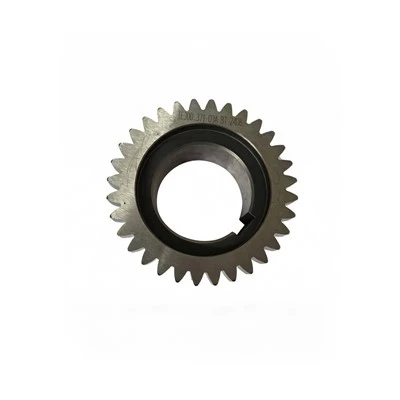
First, let’s cut through the confusion: transmission fluid isn’t a one-size-fits-all product, and neither is checking its level. The method depends on whether you’re working with a traditional automatic transmission, a manual transmission, or a newer CVT (continuously variable transmission)—all of which I supply parts for, so I know the difference matters. I’ve seen too many techs grab a generic dipstick and run with it, only to get a reading that’s 10,000 miles off because they didn’t account for the transmission type. That’s a mistake you can avoid with just a few minutes of prep.
Let’s start with the most common: traditional automatic transmissions. If you’re dealing with one of these, the first rule is to never check the fluid when the engine is cold. I know, I know—you’ve probably seen quick tip videos that say pop the hood and check right after starting. But that’s wrong. Transmission fluid expands as it heats up, and cold fluid sits lower in the pan, leading you to add too much. Too much fluid causes foaming, which starves the transmission of lubrication and leads to worn gears and bearings. Too little causes metal-on-metal grinding, which is even worse. Here’s the science: automatic transmissions have a torque converter that holds extra fluid, and that fluid only reaches the dipstick tube when the transmission is at its normal operating temperature—usually 160 to 180 degrees Fahrenheit. That’s the sweet spot for an accurate reading.
So, step by step for automatic transmissions: first, warm up the vehicle. Drive it for 10 to 15 minutes, or if it’s a fleet truck with heavy use, maybe 20 minutes—pay attention to the temperature gauge, make sure it’s at the middle mark, not in the red. Once it’s up to temp, park on a level surface. This is non-negotiable. If the vehicle is parked on a hill, the fluid will pool on one side of the pan, and your reading will be off by half a quart or more. I’ve had a customer last year swear his transmission was “leaking” because his dipstick said it was low—turns out he’d parked his work van on a steep driveway for the check. We brought it into the shop, parked it level, and the fluid was exactly where it needed to be. Lesson learned.
Next, shut off the engine? Wait, no—for most modern automatic transmissions, you want the engine running and the transmission in Park (or Neutral, if your owner’s manual says that). Old cars from the 90s and earlier might let you check it with the engine off, but every vehicle built after 2000 is designed for the engine to be running. The dipstick tube connects to the transmission’s internal sump, and with the engine off, the fluid drains back into the pan, not the tube. Pull the dipstick out, wipe it clean with a lint-free rag (old shop towels leave fibers that can clog the transmission’s filters—another mistake I’ve seen too many times), push it all the way back in, pull it out again. Now look at the marks: most dipsticks have “Hot” and “Cold” lines, but you always want to use the “Hot” ones. If the fluid is between “Full” and “Add,” you’re good. If it’s below “Add,” top it up with the exact fluid type your transmission requires—check the owner’s manual, or if you’re ordering from us, we’ll point you to the right product for your specific make and model.
Now, manual transmissions—this is where a lot of people get tripped up because they don’t have a dipstick. Yep, most manuals don’t have one. Instead, they have a fill plug on the side of the transmission housing. The science here is straightforward: manual transmissions use gear oil, not the automatic transmission fluid (ATF) that goes in autos, and the level needs to be at the bottom of the plug hole. If you can put your little finger (or a small screwdriver, if you have big hands) into the plug hole and touch the fluid, that’s the right level. If you can’t reach it, it’s too low. Why does this matter? Manual transmissions rely on that oil to lubricate the gears, syncromesh, and bearings—unlike autos, they don’t have a pump that circulates fluid, so if the level is too low, parts run dry in minutes. I recently supplied a set of replacement synchros to a customer whose old Civic had the fill plug ¼ inch too low; he’d driven it for 3,000 miles without noticing, and the synchros wore down completely. That’s a $400 part job that could have been avoided with a 2-minute check.
For CVTs, which are super common in newer sedans and SUVs, the process is similar to automatics, but there’s a critical difference: CVT fluid is way more sensitive to temperature. Most CVTs require the engine to be running, the transmission in Neutral, and the temperature to be exactly 120 to 150 degrees Fahrenheit—check the dipstick’s “Hot” line, because some CVT dipsticks will give a false reading if it’s too hot or too cold. I’ve seen techs check a CVT at 200 degrees, when the fluid is thin and runs higher, leading them to drain half a quart unnecessarily. That’s bad because CVT fluid has special additives that protect the belt and pulley system, and over-draining can cause slippage. If you’re not sure, look up your specific CVT model—we keep a database of compatible fluid and part specs for all the CVT brands we work with, so just reach out.
Wait, let’s talk about a common myth: if the fluid is dark or smells burnt, you’re low. No, that’s a sign of old fluid, not low fluid. Transmission fluid breaks down over time, usually every 30,000 to 60,000 miles for automatics, and 50,000 to 100,000 for manuals. A low level is a separate issue. When you check, don’t just look at the level—check the color. Fresh ATF is red, manual gear oil is amber. If it’s brown or black, it’s time for a flush, even if the level is right. Burnt fluid smells like burnt toast; that means the transmission is overheating, which could be from a clogged cooler or a slipping clutch, so you need to check your transmission parts, not just the level.
Another key point: don’t overfill. I mentioned this earlier, but it’s worth repeating. Adding too much fluid is just as bad as adding too little. When you top up, add half a quart at a time, wait a minute for it to drain into the sump, then check. Don’t just pour a full quart in and go. I’ve had a shop owner call me last month saying his new transmission was slipping, and it turned out the tech had added a full extra quart after a fluid change. We had to help him drain the excess, and he ended up needing a new torque converter because of the foaming. It’s a $1,200 mistake that could have been prevented by taking 5 extra minutes to check the level.
Now, if you don’t have a dipstick—some performance transmissions, heavy-duty off-road transmissions, and newer electric vehicle (EV) transmissions (yes, EVs have transmission parts too, most are single-speed or dual-speed units) don’t have a dipstick. For these, you’ll need to use the fill plug method, same as a manual. The level should be at the base of the plug hole, and if it’s low, you add fluid through the same plug hole (you’ll need a pump to do this, which is cheap and easy to get at any auto parts store). For EVs, the fluid is different—usually a specialized gear oil for the electric motor’s transmission, so make sure you’re using the right type. I’ve seen people use standard ATF in an EV transmission, which leads to seals breaking and leaks. That’s a part I supply too, so if you’re working on an EV, just confirm the fluid type before you top up.
Let’s get into why this matters for the parts I supply. Transmission parts are precision-engineered. Gears, bearings, syncromesh, torque converters, belt and pulley systems for CVTs—all of these rely on clean, properly leveled fluid to reduce friction and heat. When the fluid level is wrong, friction increases, heat builds up, and those precision parts wear out way faster. I sell a lot of replacement gears and bearings, and 7 out of 10 times, the failure is directly related to neglected fluid checks. That’s not a statistic I’m proud of, but it’s the truth. So when you check your fluid level, you’re not just protecting the transmission itself—you’re protecting the investment you’ll make in replacement parts down the line.
Now, a few troubleshooting tips if you find the level is consistently low. If you’re adding a quart every month, that’s not normal—there’s a leak. Check the transmission pan gasket, the output shaft seal, the cooler lines (for automatics, the cooler is in the radiator, so a leak there will cause fluid to mix with coolant, which is a big problem). If you’re not sure, bring it to a tech, or if you need replacement gaskets or seals, we can ship those to you quickly. Don’t ignore a leak—even a small one can turn into a major failure in a few months.
If the level is right, but you’re still having issues—slipping, hard shifting, unusual noises—then it’s time to check the transmission parts themselves. The fluid check is your first line of defense, but it’s not a cure-all. A clogged filter, worn clutch, or damaged bearing can cause the same symptoms as low fluid. That’s where having a trusted supplier comes in: we don’t just sell parts—we help you diagnose the issue, whether you’re a DIYer or a shop. We’ve been doing this long enough that we can walk you through step-by-step troubleshooting over the phone, no fancy diagnostics needed.
I know a lot of people are intimidated by working on transmissions, especially with all the jargon and complicated parts. But checking the fluid level is something anyone can do, even if you’ve never popped a car’s hood before. All you need is a rag, a funnel (to add fluid without spilling), and 10 minutes. It’s a small task that pays off big in the long run. I’ve had customers tell me that checking their fluid every month saved them from a $3,000 transmission replacement, and that’s the best part of my job—knowing that the parts I supply are helping people keep their vehicles on the road, not waiting for a breakdown.
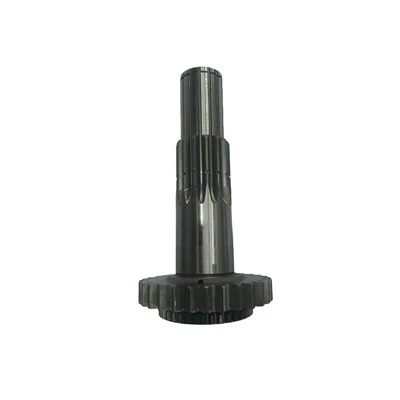
Now, if you have questions about your specific transmission type, need help finding the right fluid, or are looking for replacement parts, don’t hesitate to reach out. We work with shop techs, fleet managers, and DIYers every day, and we’re here to help you get the job done right. Whether you need a new dipstick, a set of gears, or just advice on checking your fluid, we’re ready to talk.
Gear References
- Automotive Transmission Technology: Principles, Diagnosis, and Service, 5th Edition. Cengage Learning, 2020.
- SAE International. “Fluid Level Requirements for Automotive Transmissions,” SAE J2012, 2019.
- National Institute for Automotive Service Excellence (ASE). Automatic Transmission Service Certification Study Guide, 2021.
- Manual Transmission and Transaxle Service: A Guide for Technicians. Pearson Education, 2022.
- CVT Fundamentals: Operation, Diagnosis, and Repair. Delmar Cengage Learning, 2021.
Yancheng Botu Transmission Machinery Co., Ltd.
As one of the most professional transmission parts manufacturers and suppliers in China, we have world-leading production equipment and strong manufacturing capabilities. Please rest assured to wholesale cheap transmission parts for sale here from our factory. Contact us for more details.
Address: No. 33, Yongxing Road, Economic Development Zone, Jianhu County, Yancheng City, Jiangsu Province
E-mail: 15261979878@163.com
WebSite: https://www.ycbtcdjx.com/
