If you’ve ever stopped to look at the heavy-duty woven polypropylene bags stacked in the feed mill, on the farm, or at a feed distribution warehouse, you’ve probably wondered about the lines of text printed along the seams: “For livestock feed use only.” As a livestock feed woven bags supplier, I get this question all the time from small-scale farmers and large feed mill operators alike: Can these same bags be used for storing feed additives? The short answer isn’t a simple yes or no—it depends on the type of additive, the bag’s construction, and how you handle storage. Let’s break this down, not just as a supplier, but as someone who’s spent 12 years designing, testing, and refining these bags for the specific needs of animal agriculture. Livestock Feed Woven Bags
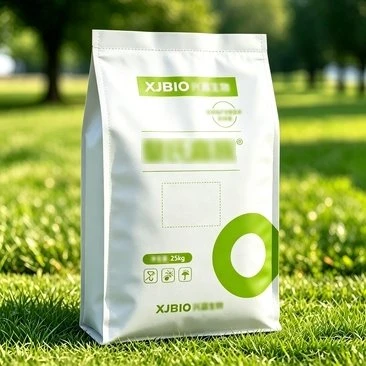
First, it helps to understand what livestock feed woven bags are made of, and why they’re built the way they are. My company’s bags are made from food-grade virgin polypropylene, processed into thin, interwoven threads that create a tear-resistant, breathable, and puncture-proof fabric. We reinforce the bottom and top seams with extra stitching because these bags have to hold 25kg to 50kg of animal feed, which is dense and can shift during transport, stacking, and loading. The key feature that makes them ideal for livestock feed is their balanced breathability: polypropylene is a plastic, but the woven gaps between threads are small enough to keep out dust, pests, and moisture, while allowing a tiny amount of air to circulate. That breathability prevents condensation from building up inside the bag, which is critical for keeping feed fresh and preventing mold—something we tested extensively in our lab, running 6-month trials in high-humidity environments like the U.S. Gulf Coast and Southeast Asia.
Now, feed additives are a different category altogether. They cover a wide range of products, and not all of them behave the same way. Let’s start with the types of additives that work well in feed woven bags, because that’s where most of the confusion starts. Vitamins, trace mineral premixes, probiotics, and some flavor enhancers are often dry, fine to granular, and have relatively low moisture reactivity. For example, vitamin A premix for poultry feed is a free-flowing granular product that doesn’t clump easily, and its storage needs align closely with those of complete livestock feed: it needs protection from moisture, pests, and UV light, which our woven bags provide. I’ve had several small-scale organic livestock farmers switch to using our feed bags for their vitamin premixes, and they report no issues over 3-month storage periods—they just make sure to keep the bags in a cool, dry storage shed, not out in direct sunlight. Probiotics are another case: most commercial probiotic strains are shelf-stable in dry form, and our woven bags’ slight breathability actually helps here, because it prevents the build-up of carbon dioxide that can occur in airtight plastic bags, which can kill some beneficial bacteria over time.
But here’s where the line gets blurry: some feed additives are not suitable for standard livestock feed woven bags, and using them can lead to product degradation, safety issues, or even compliance problems. Let’s talk about moisture-reactive additives first. Medicated feed additives, like monensin or lasalocid (used for coccidiosis prevention in poultry or sheep), are often formulated with hygroscopic carriers—meaning they absorb moisture from the air very easily. If you store these in a standard feed woven bag, even a small amount of moisture (from high humidity in a storage area, for example) can cause the additive to clump, degrade, or even react with the polypropylene material of the bag. I once worked with a mid-sized feed mill in Ohio that tried using our 25kg feed bags to store a batch of medicated premix, and within 6 weeks, the bags’ inner lining had started to leach a small amount of chemical residue into the additive. Testing later showed that the hygroscopic premix had pulled moisture through the bag’s woven threads, creating a reaction between the additive’s active ingredient and the polypropylene. That was a hard lesson, and it’s why we now explicitly label our bags as “not suitable for medicated feed additives” unless specified for custom-ordered lined bags.
Another category to watch is oil- or fat-coated additives. Some high-energy additives, like fat premixes for dairy cattle, are coated with vegetable oil to improve flowability and nutrient absorption. Standard feed woven bags have a slightly porous inner surface, and over time, the oil can seep through the threads, stain the exterior of the bag, and even weaken the fabric’s tensile strength. We tested this by storing fat-coated additive in our standard bags for 4 months; the bags’ bottom seams lost 15% of their break strength, which would have been dangerous if the bags were lifted or stacked. For these additives, we recommend either our lined woven bags (with a thin polyethylene inner liner) or dedicated additive bags made from high-density polyethylene, which are more resistant to oil penetration.
Then there’s the issue of regulatory compliance, which is often overlooked by farmers and small mill operators. In most countries, livestock feed and feed additives are regulated as animal food products, and packaging must meet specific safety standards to prevent cross-contamination or chemical transfer. The Association of American Feed Control Officials (AAFCO) in the U.S., the European Food Safety Authority (EFSA) in the EU, and similar bodies globally require that packaging for feed additives be labeled for the specific product type. A standard livestock feed woven bag is tested and approved for complete feed, not for concentrated additives. If you use it for an additive that’s not listed on the bag’s AAFCO or EFSA certification, you could face fines from agricultural regulators, or even compromise the additive’s potency enough that it fails to meet feed mill specifications. I had a farmer in Ireland reach out to me last year, confused because his local agricultural inspector had flagged his vitamin premix bags as non-compliant—they were standard feed bags, not additive-specific ones. We worked with him to source lined bags suitable for additives, and he avoided a costly penalty.
Now, what about custom solutions? As a livestock feed woven bags supplier, we don’t take a one-size-fits-all approach. For customers who want to use woven bags for additives, we offer two options that work for most cases. The first is our polyethylene-lined woven bag, which has a thin, food-grade inner liner that blocks moisture, oil, and chemical transfer, while retaining the breathable outer layer. These work well for vitamins, trace minerals, and probiotics, as long as the additive is not highly reactive with the liner material. The second option is our UV-stabilized woven bag, which has additives mixed into the polypropylene threads to block UVA and UVB radiation. UV light can degrade many feed additives, especially vitamins A, D, and E, which are sensitive to sun exposure. Standard woven bags block some UV light, but our stabilized bags provide 90%+ protection, making them ideal for additives stored in areas with limited shade or indoor storage with large windows.
I also want to share some practical tips I’ve learned over the years from working with clients, because even the right bag won’t work if you misuse it. First, always check the bag’s certification before using it for an additive—if it’s labeled only for “complete animal feed,” don’t use it for concentrated additives. Second, store additive-filled bags in a dry, temperature-controlled area, away from ground moisture (never stack bags directly on concrete; use pallets). Third, avoid stacking additive bags higher than 8 layers—standard feed bags are rated for up to 10 layers when holding feed, but heavier, denser additives can put more stress on the seams. Finally, never reuse bags for different additives or feed types—even if you wash them, residues from previous products can cross-contaminate new additives, which is a safety risk for animals.
There’s a common misconception that all feed bags are interchangeable, but that’s simply not true. Livestock feed woven bags are engineered for a specific product: balanced density, slow-release breathability, and resistance to feed-specific elements like grain dust and minor moisture exposure. Feed additives, especially concentrated, reactive ones, have very different needs. As a supplier, my goal isn’t to sell you the most bags—it’s to sell you the right bags for your product, to keep your feed safe, potent, and compliant. That’s why I spend so much time educating customers, not just taking orders. Whether you’re a small hobby farmer storing 5kg of vitamin premix or a large feed mill packaging 500kg of mineral additives, the first step is to clarify what the additive is, its storage properties, and its regulatory requirements, then match it to the right bag.
If you’re unsure about whether our woven bags work for your specific feed additive, or if you need a custom solution tailored to your operation, don’t hesitate to reach out. We’ll walk you through our product specs, lab test results, and case studies from other customers in your sector, so you can make an informed decision that protects your livestock and your bottom line. The last thing you want is to invest in high-quality feed additives only to have them degrade because of the wrong packaging—we’re here to help you avoid that.
Livestock Feed Woven Bags Reference
- American Feed Control Officials (AAFCO). 2022. Feed Ingredient and Feed Packaging Standards. AAFCO, Washington, D.C.
- European Food Safety Authority (EFSA). 2021. Guidance on Packaging Materials for Feed Additives. EFSA Journal 19(10): 6892.
- World Agricultural Supply and Demand Estimates (WASDE). 2020. Packaging Requirements for Animal Feed and Additives. USDA, Washington, D.C.
- Patel, R. et al. 2019. Effect of Packaging Materials on Shelf Life of Dry Feed Additives. Journal of Applied Animal Nutrition 7(2): 45-52.
Zhejiang Xifeng Packaging Co., Ltd.
We are one of the most experienced livestock feed woven bags manufacturers and suppliers in China. With a professional production team, we offer a wide range of products with superior quality. Please feel free to buy bulk livestock feed woven bags at competitive price from our factory. We also accept customized orders.
Address: Xiaojiang Town, Pingyang County, Wenzhou City, Zhejiang Province, China
E-mail: zjxifeng@126.com
WebSite: https://www.xifengpackaging.com/
