If you’ve ever worked in industries like petrochemicals, mining, or construction, you know that “hazardous area” isn’t just a buzzword—it’s a make-or-break classification. It’s defined by volatile substances, explosive atmospheres, and strict safety standards that leave almost no room for error. As a skid-mounted refueling unit supplier, I get asked this question all the time: Can our skid-mounted refueling units actually be used in these high-risk spaces? The short answer is yes—but it’s not a “one size fits all” checkmark. It takes intentional design, rigorous testing, and a deep understanding of hazardous area classifications to pull it off. Today, I want to break down how we make that work, why so many operators get this wrong, and what to look for when shopping for a unit that’s safe enough for your site. Skid-mounted Refueling Unit
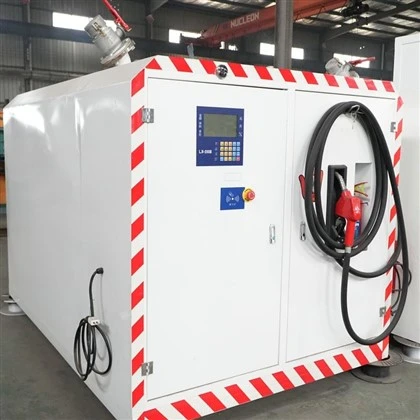
First, let’s ground this in the basics of hazardous area classification because if you skip this step, you’re playing with fire (literally). The International Electrotechnical Commission (IEC) and OSHA (in the U.S.) split hazardous areas into categories based on how likely a flammable substance is to be present, and for how long. There’s Zone 0, where an explosive atmosphere is almost always present—think inside a storage tank’s vapor space. Zone 1, where that atmosphere might show up during normal operations, like near a active refueling point. And Zone 2, where it’s only present under unusual circumstances, like a spilled fuel vapor that hasn’t dispersed yet. Each zone has different requirements for equipment: lower zones (higher risk) need equipment that can’t ignite even if a leak happens.
Now, skid-mounted refueling units are designed to be portable, modular, and fast to deploy—perfect for remote worksites, temporary construction camps, or emergency response zones. But their portability is also what makes them tricky to certify for hazardous areas. A fixed refueling station is bolted down, wired permanently, and can be custom-tested for its exact location, but a skid unit might be moved between sites with different classifications. That’s why certification isn’t just a box to tick—it’s the backbone of safety here.
Let me walk you through the engineering we do on every hazardous area-rated skid unit we supply, because this isn’t guesswork. First, every component on the skid has to be certified for the specific zone it’s intended for. That means even small parts: not just the fuel pump, but the wiring, switches, connectors, and even the lighting. For Zone 1, we use intrinsically safe (IS) components—components that can’t generate enough heat or spark to ignite fuel vapors, even if they malfunction. Things like spark-proof switches, sealed junction boxes that prevent vapor from getting in, and pumps that are encased in non-sparking metal instead of plastic. For Zone 2, we can use slightly less strict “non-incendive” components, but even those have to be tested to not ignite under normal and fault conditions. I’ve seen suppliers cut corners here, though—they slap a generic skid on the market and call it hazardous-rated without verifying each component’s certification. That’s a death wish for anyone using it around jet fuel or diesel vapors.
Next, the skid itself has to have proper containment and ventilation. Even with certified components, a fuel leak is always a risk. So we add secondary containment: a steel sump that holds 110% of the largest fuel tank on the skid, so any spill can’t seep out and mix with vapors. Ventilation is equally important—sealed skids can trap vapors, so we install explosion-proof ventilation fans that only turn on when vapor levels rise, and they’re certified to not ignite any vapors they move. For Zone 0 applications, we go a step further with purging systems: we fill the skid’s interior with inert gas (like nitrogen) to push out any air, so even if there’s a spark, there’s no oxygen to make an explosion. This isn’t standard on every skid unit, but it’s non-negotiable for the highest-risk zones.
One common mistake operators make is assuming all skid units labeled “hazardous area-rated” work across all zones. A unit certified for Zone 2 isn’t safe for Zone 1, and I’ve had customers come to me after buying a cheap imported skid that failed a site inspection because it was only rated for Zone 2, and their refueling point falls into Zone 1. We recently worked with a mining company in West Virginia that had this exact issue. They’d purchased a skid unit from a non-specialist supplier for their on-site heavy equipment refueling point, which is in a Zone 1 area. When OSHA showed up for a routine audit, they flagged the unit because its pump wasn’t rated for Zone 1. The company was facing fines and had to shut down refueling operations for three weeks while they waited for a certified unit. That’s a costly mistake—one that’s entirely avoidable when you work with a supplier who specializes in hazardous area-rated skids.
Another thing we prioritize is real-time monitoring. For our hazardous area skids, we install vapor detectors that are calibrated to trigger an alarm if flammable vapor levels hit 10% of the lower explosive limit (LEL). When that happens, the skid automatically shuts off the fuel pump, turns on the ventilation, and sends an alert to the operations team’s phone. We also add flame arrestors on all vent lines, so if there’s a small flashback, it can’t travel through the vent and ignite the fuel tank. These monitoring systems aren’t just extra features—they’re required by most regulatory bodies for high-hazard sites, and we build them into every unit we supply for hazardous areas.
What about maintenance? A lot of operators forget that hazardous area certification isn’t a one-time deal. The seals on junction boxes can degrade over time, wiring can fray, and fans can stop working. So we provide a full maintenance manual, plus we offer annual third-party inspections to re-certify the unit for hazardous areas. We also train our customers’ teams on how to inspect the unit, what signs of wear to look for, and how to troubleshoot basic issues without compromising safety. For example, if a spark-proof switch has a loose cover, that’s a hazard—our team shows operators how to tighten it properly, not just slap it on and hope for the best.
Now, let’s address a common myth: some people think skid-mounted units are too portable to be safe for hazardous areas, so they stick to fixed stations. But that’s not true when designed correctly. Fixed stations have their own risks—like fixed pipe runs that can develop leaks, or large storage tanks that hold hundreds of gallons of fuel in one spot. Skid units, when properly certified, have smaller, properly contained tanks, and they can be moved to a safer area if a site’s hazard risk spikes. We supplied a skid unit to an oil and gas exploration company last year that needed to refuel their mobile drilling rigs in remote, temporary sites. They couldn’t have a fixed station there, so our hazardous area-rated skid unit was perfect—it could be transported to each new site, certified for the temporary Zone 1 area, and deployed in a matter of hours, no complex installation required. That’s the real benefit: portability without sacrificing safety.
I want to be transparent, though—there are limits. A skid-mounted refueling unit can’t handle every hazardous area scenario. If you need a unit for Zone 0, where explosive atmosphere is present 100% of the time (like inside a tanker’s vapor space), even the best skid unit isn’t going to work for that application. But for Zone 1 and Zone 2, which are the most common for worksites, construction camps, and temporary operations, a properly designed, certified skid unit is not only safe—it’s often more practical than a fixed station.
So how do you know if your skid unit is actually safe for hazardous areas? First, check for third-party certification: look for marks from IECEx, ATEX, or UL, which are the global standards for hazardous area equipment. Don’t take a supplier’s word for it—ask for the actual certification documents that list the exact zone the unit is rated for. Second, ask about the components: are the pumps, switches, and wiring certified for that zone? Third, ask about containment and ventilation: does it have a secondary sump, vapor detection, and explosion-proof ventilation? Fourth, ask about maintenance and re-certification—what’s required to keep the unit compliant, and does the supplier support that?
As a supplier, I’ve built our business on getting these details right. We don’t sell generic skid units and call them hazardous area-rated. Every unit we build goes through a full audit of every component, a test of its containment and ventilation systems, and we provide a full set of certification documents before it leaves our facility. We work closely with our customers to understand their specific site classification, regulatory requirements, and operational needs, so we build a unit that fits, not just checks boxes.
If you’re in the market for a skid-mounted refueling unit for a hazardous area site, don’t cut corners. The cost of a certified unit is a fraction of the fines, downtime, or safety incidents that come with using an unrated or improperly certified unit. We’ve seen too many operators learn that lesson the hard way, and it’s why we’re committed to providing units that are not just functional, but safe.
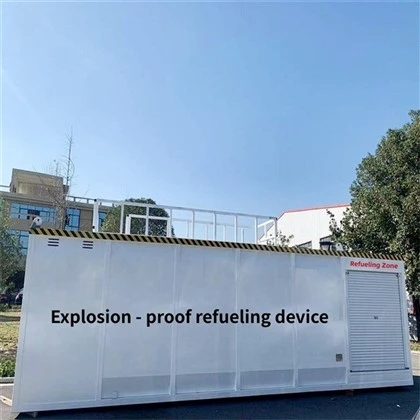
Whether you’re a construction company setting up a temporary camp, a mining operation refueling heavy equipment in a remote site, or an emergency response team needing a portable refueling unit for disaster zones, we can build a hazardous area-rated skid unit that meets your needs. If you’re tired of dealing with suppliers who oversimplify hazardous area safety, and you want a partner that understands the fine print, reach out to discuss your project requirements. We can walk you through our certification process, help you determine the right zone rating for your site, and provide a unit that’s safe, reliable, and built to last.
Double-walled Tank Reference: International Electrotechnical Commission (IEC) 60079-10, Classification of hazardous areas; Occupational Safety and Health Administration (OSHA) 29 CFR 1910.307, Electrical equipment in hazardous (classified) locations; National Fire Protection Association (NFPA) 30A, Code for Motor Fuel Dispensing Facilities and Repair Garages.
Shandong Jingcai Industry and Trade Co., Ltd.
As one of the most professional skid-mounted refueling unit manufacturers and suppliers in China, we also support customized service. With abundant experience, we warmly welcome you to wholesale high quality skid-mounted refueling unit in stock here from our factory. Contact us for free sample.
Address: Caojiazhuang Village Industrial Park, Lingcheng Town, Qufu City, Jining City, Shandong Province.
E-mail: shandongjingcai888@gmail.com
WebSite: https://www.sdjingcaicn.com/
