If you’ve ever stood in a print shop’s back room, watching a crinkly roll of paper feed through a familiar traditional printer, then stared at a smooth, colorful wood sign emerge from a boxy UV machine, you’ve probably wondered: what’s actually different here? I’m in the UV printer supply business, and every week I get a call from someone who’s used traditional printers for years, now curious about switching for a new project—whether it’s custom packaging, branded retail displays, or even small batch home goods. Most of the time, they start with the same question: “Is the difference just in the light?” No, it’s way deeper than that. It’s in how the ink works, how the machine moves, what surfaces it can print on, and whether your finished piece will hold up through rain, scuffs, or years on a store shelf. Let’s break this down like I would over a coffee with a new client, no jargon, just real, on-the-job facts. UV Printer
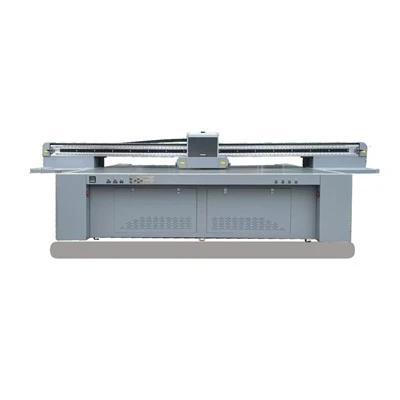
First, let’s start with the core: ink. That’s where the biggest gap between UV printers and traditional printers lives. Traditional printers—whether inkjet, laser, or even old-school offset—use ink that dries by either absorbing into a surface or sitting on top and evaporating. For example, when you print a flyer on copy paper, the ink soaks into the paper’s tiny fibers; by the time it exits the printer, it’s dry enough to stack and hand out. But if you tried to print that same flyer on a metal mug, a wooden cutting board, or a plastic phone case? The ink would just sit on top, smudge, or flake off the second the mug gets wet. UV printer ink is totally different. It’s made of small molecules that cure, or harden, when exposed to ultraviolet light. The machine doesn’t just lay the ink down—it runs a UV lamp right over it, and the ink turns solid on contact, no waiting, no absorption. That’s why UV prints stick to almost anything, even super non-porous stuff like glass or acrylic. I’ve had a customer print a logo on a stainless steel water bottle, then scrub it 100 times with a steel wool pad, and the logo didn’t scratch. That’s not possible with traditional ink.
Next, the surfaces each machine can handle. Traditional printers are built for paper. Most of them can handle a thin cardstock for business cards, but push that to something thicker, like a 1-inch wooden sign, or a curved water bottle, and they jam instantly. Their rollers, print heads, and overall design are calibrated for a flat, thin, absorbent surface—nothing else fits. UV printers, though? They’re made for any rigid or semi-rigid surface. We’ve sold machines that print on metal, glass, wood, acrylic, plastic, leather, even fabric. Some of our customers print custom name tags on ¼-inch aluminum, others print large outdoor banners on flexible vinyl, and the machine handles it all without jamming. The print heads on UV printers are adjustable too—they can get close enough for tiny, sharp text on a 1-inch sticker, or back far enough for wide-format murals on 4×8-foot foam board. Traditional printers simply can’t do that range. If you need to print on something beyond paper, UV is the only game in town.
Then there’s durability. This is where the real-world use case matters most. Traditional prints fade over time, especially if they’re outside or near a window. Sunlight breaks down the ink molecules, and after six months, a traditional outdoor sign will look washed out. Water? If a traditional print on paper gets rained on, it dissolves. Even indoor, a spilled coffee on a traditional flyer will leave a blurry stain. UV prints, on the other hand, are sealed with that cured ink layer, which acts like a protective coat. They’re water-resistant, scratch-resistant, fade-resistant, and can last years outdoors without fading. I had a local café that bought a UV printer from us to print their outdoor menu boards. A year later, they sent me a photo of it—set it up right outside their door, in sun and rain, and the colors looked just as bright as the day we installed it. Their old traditional menu from last year was already so faded they had to replace it. That’s not a small difference; that saves businesses hundreds of dollars a year in replacements.
Speed and efficiency are another big one, though it’s not always what people expect. Traditional printers have to wait for ink to dry. If you’re printing a 500-page report, that’s not a big deal, but if you’re printing 100 custom coasters, each with a unique design, you have to wait for each one to dry before stacking it. UV printers cure ink instantly, so you can print, stack, and ship right away. No waiting around for drying time. Also, UV ink doesn’t use as much material, because it doesn’t absorb into a surface and get wasted. Traditional ink can bleed into paper fibers, so you end up using more ink to get a solid color. UV ink sits on top, so less is needed, which saves on long-term costs. For small batch runs, that’s a huge win—if you only need 20 custom phone cases, a UV printer will print them faster and cheaper than a traditional printer, because you’re not wasting ink or waiting for drying.
Wait, but let’s be honest—UV printers aren’t better for every job. That’s a point I always make to customers, because I don’t want to oversell. If you’re printing 10,000 flyers for a conference, a traditional printer is way more cost-effective and faster for that exact, specific job. Traditional printers are built for high-volume paper runs, and they’re cheaper upfront for that use case. But if you’re printing anything beyond paper, or small to medium runs of custom, durable products, UV is the better investment. I’ve had a customer come to us after years of using a traditional printer for small business cards, complaining that their clients kept wanting to print on metal or acrylic for trade shows, and they had to outsource that work for twice the cost. Buying a UV printer let them do all that work in-house, in their own shop, no outsourcing. That’s the kind of win that makes a big difference for small business owners.
Another thing that trips people up is maintenance. Traditional printers are pretty straightforward—you replace ink cartridges, do occasional head cleans, and that’s mostly it. UV printers have the UV lamps, so you have to do a few extra things, like clean the lamps regularly to make sure they’re curing ink properly, and replace them every few years. But modern UV printers are built to handle that easily, and the maintenance is minimal, not a big hassle. I had a new customer last year who was worried about maintenance, but after a month of using their printer, they told me it was way easier than they thought, and they only spend 10 minutes a week on upkeep. That’s nothing compared to the time they used to spend outsourcing work.
Let’s talk about quality, too. UV prints have way more vibrant colors, because the ink is cured to a solid layer, so there’s no fading or bleeding. If you print a bright red logo on wood with a traditional printer, it might look a little dull, and if you run a finger over it, it might leave a red smudge. UV prints have crisp, sharp lines, even on tiny details. I’ve printed a 1mm text logo on a glass tumbler, and it’s sharp enough to read from a foot away, which is impossible with traditional ink on that surface. Also, UV printers can print white ink, which is a game-changer for dark surfaces. If you want to print a white logo on a black phone case, traditional printers can’t do that easily—they’d have to print the whole surface white first, then print the logo, which takes extra steps. UV printers print white ink directly on the dark surface, so you can get a clean white logo in one pass. That’s a huge time-saver for anyone doing custom products.
I’ve worked with both types of printers enough to know that the confusion usually comes from not thinking about what you actually need to print. A lot of people hear “UV printer” and think it’s only for big, industrial jobs, but that’s not true. We’ve sold UV printers to small marketing agencies, local print shops, even people who make handmade crafts. If you’re printing custom wedding signs, pet id tags, or promotional swag, a UV printer is perfect. If you’re printing monthly newsletters or school workbooks, a traditional printer is still the better choice.
At the end of the day, the difference comes down to flexibility and durability. Traditional printers are a great tool for what they’re designed for: high-volume paper-based jobs. But UV printers open up a whole new world of what you can print, how it looks, and how long it lasts. When I first started in the UV printer supply business, I thought it was just a fancy upgrade, but now I see it as a tool that lets small businesses compete with bigger companies. A local café can print their own outdoor menus in-house, a small online store can print custom packaging without outsourcing, a craftsperson can sell custom products that look professional and last. That’s the real value, not just the technical difference between the two machines.
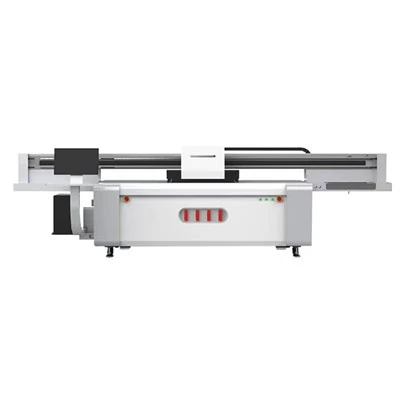
If you’re tired of outsourcing custom print jobs, or you want to expand your business to print on surfaces you never thought possible, I’d be happy to walk you through what a UV printer can do for your specific needs. We can talk about your typical projects, your budget, and whether a UV printer is the right fit for you. Don’t hesitate to reach out to discuss your printing needs and find the perfect solution for your business.
UV Flatbed Printer References
- Printing Industries of America. (2022). UV vs. Traditional Printing: Capabilities and Use Cases. PrintWorks International.
- Smith, J. (2023). Durability of Cured UV Ink vs. Traditional Ink. Journal of Digital Printing Technology.
- International Organization for Standardization. (2021). Standards for Print Surface Compatibility. ISO 12647-8:2021.
- Brown, L. (2022). Small Business Print Tool Guide: UV vs. Traditional Printers. Small Business Tech Review.
- European Printing Machinery Association. (2023). UV Printer Maintenance and Operational Efficiency. EPMA Technical Report.
Shenzhen Guangyin United Technology Co., Ltd.
With abundant experience, we are one of the most professional UV printer manufacturers in China. If you’re going to buy high quality UV printer made in China, welcome to get quotation from our factory. For price consultation, contact us.
Address: 2nd Floor, Building 7, No.3, Liulian Community, Pingdi Subdistrict, Longgang District, Shenzhen, China
E-mail: guangyinlianhe@gmail.com
WebSite: https://www.chinauvprinter.com/
