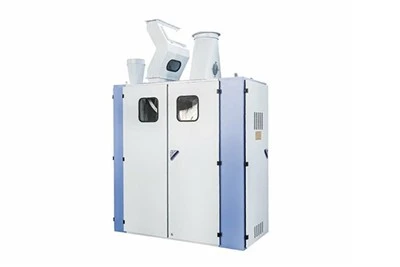
Carding Machine Hey there, if you’re running a textile mill (or even just deep in the weeds of carding machine ops, trust me, I get it) – you’ve probably stared at your carder at 2 a.m. wondering “why is this thing spitting out half-carded sliver, slowing my whole line down, and eating my profits?” I’m not just some random guy typing this; I’m part of a carding machine team that’s spent the last 12 years tuning these bad boys for mills across the globe, and let’s cut to the chase: carding efficiency isn’t some mystery voodoo. It’s about nailing the tiny, actionable tweaks that add up to big gains. Last quarter, we had a mill in Turkey boost their carding output by 22% in 6 weeks – no new fancy machine, just fixing what they were already missing. Let’s dive in, no jargon, promise. First off, let’s define carding efficiency quick, cause everyone throws that term around like it’s nothing: it’s basically how much good, uniform sliver you get vs. how much waste, downtime, or half-processed fiber you’re wasting. A lot of mills mismeasure it, so they’re flying blind. Your actual efficiency isn’t just “cards running fast” – it’s sliver uniformity, waste rate, and run time without stops all rolled into one. Okay, first big fix: stop sleeping on the daily flat top and doffer check-ins. I see so many operators skipping this cause it’s “boring” or takes 10 minutes, but that’s where the rubber meets the road. Flat tops are those little metal plates that brush the cylinder, right? Over time, fiber builds up (called “matt” or “fiber loading”) and the gaps between flats and cylinder get wonky. If that gap is even 0.1mm off – which is smaller than a grain of sand – you’re either pulling too much fiber (wasting it) or not enough (bad sliver). Most mills set these gaps once and forget till the machine starts messing up. Our team swears by checking gaps every single shift – not daily, not weekly. Use a feeler gauge, it’s like $20, stop using a folded business card like some guys do (that’s a cheap move and it shows). Also, clean flats with a wire brush once a day, not when they look dirty. I once had a mill in Brazil that thought their flat cleaning was “good enough” till we pointed out they were brushing at a 90-degree angle instead of 45, so they weren’t dislodging compacted fiber. They fixed that, and their waste rate dropped 14% in a month. Next up: doffer speed. A lot of new operators think “faster = more sliver” – nope, that’s a rookie mistake. Doffer is the cylinder that picks up the carded fiber and turns it into sliver. If you crank its speed too high, it can’t grab enough fiber evenly, so you get thin spots, breaks, and have to stop way more often. The sweet spot? It’s tied to your cylinder speed, but for most mid-range machines, doffer speed should be 1/18th to 1/20th of the cylinder’s rpm. Wait, let’s make that simple: if your cylinder is spinning at 360 rpm, doffer should be at 18 to 20 rpm. Last year, a mill in India was running their doffer at 28 rpm cause they thought it’d make more, but they had sliver breaks every 20 minutes. Cranking it down to 19 rpm cut breaks by 70% and actually increased their daily output by 8% cause they had way less downtime. Win-win. Now, let’s talk about fiber prep – this is a huge one that gets overlooked so often. Your carder only does what you feed it, plain and simple. If your raw fiber is all clumpy, has trash, or inconsistent moisture, the carder can’t separate it right, no matter how good the machine is. I see mills skimping on the opening and picking stages before carding, and that’s like feeding your kid unwashed, mixed-up veggies and expecting them to make a healthy salad. Moisture is a big one here. Fiber needs to be 6.5% to 8.5% moisture for optimal carding – too dry, and it’s static, sticking everywhere; too wet, and it clumps. A lot of places use old hygrometers that are off by 2-3%, so they’re guessing wrong. We recommend calibrating your in-line moisture meter every 2 weeks, not every 2 months. And for raw fiber, don’t just rely on what your supplier sends – test 10 random bales a week, especially if you’re switching between lots. One mill in Vietnam had their supplier switch cotton lots without telling them, moisture jumped to 10%, and their carding efficiency dropped 18% in a week. They tested on arrival, caught it, and fixed it fast. Another thing with prep: opening rollers. Those are the rollers that break up bales before they hit the carder. If they’re worn down, or the teeth are bent, they’re not breaking up clumps – they’re just smashing them. We see teeth getting dull after 1,500 to 2,000 operating hours, not 5,000 like some people say. Replacing those at 1,500 hours is way cheaper than dealing with bad carding and wasted fiber. Now, let’s get to machine maintenance that’s not just oiling things. Bearings, for example – a lot of mills grease bearings once a month, but they’re over-greasing or under-greasing. Over-greasing causes friction, makes parts run hot, slows the whole thing down; under-greasing leads to wear and tear, and sudden stops. We follow the “grease every 500 hours, just enough to see a tiny bit come out the seal” rule for most mid-sized carders. Also, check for vibration. If your carder is vibrating more than it did when it was new, that’s a red flag. It could be a loose belt, misaligned gears, or even a worn cylinder. Vibration causes uneven carding, sliver irregularities, and shortens the life of every part on the machine. We use a cheap vibration meter (like $100) that we can bring on a service call, but even if you don’t have one, pay attention – if the machine shakes more when it runs at high speed, stop and check. I had a mill in Mexico that ignored a vibrating cylinder for 3 months, and they ended up replacing the whole cylinder at a $12,000 cost instead of tightening a belt (that took 10 minutes and cost $0). Oops. Next up: sliver coiler and can management, this is the final stretch and a lot of people mess it up here. The coiler is what winds the carded sliver into the can, right? If the coiler speed is off, or the can isn’t aligned, you get sliver overlapping, breaks, or even sliver getting tangled around the can. That leads to stops, which kill efficiency. The coiler speed should sync perfectly with the doffer speed – most modern machines have auto-sync, but if you’ve got an older one, make sure you’re adjusting it manually every time you change fiber type. Also, check the can liners. If the liner is torn or has static, sliver sticks to it, so you have to stop and pull it off every 2 hours. We recommend using anti-static liners for synthetic blends, and replacing them every 3 months, even if they look fine. A mill in Poland was using generic liners that caused so much sticking, they were stopping 8 times a shift to fix it. Switched to anti-static, and that dropped stops by 60% alone. Wait, what about when you run different fiber blends? I get this question all the time – if you switch from 100% cotton to a cotton-poly blend, how do you adjust? A lot of operators just leave all settings the same, and that’s a mistake. Blends have different fiber lengths, weights, and moisture, so gaps, speeds, and even flat cleaning need to change. For synthetic blends, which are more static, you need wider gaps between flats and cylinder, lower doffer speed, and a bit more moisture. For longer fibers (like linen), you run slightly higher cylinder speed to avoid fiber breakage. Last year, we helped a mill in Germany switch from 100% cotton to a 50/50 cotton-poly blend, and they dropped their efficiency by 10% till we walked them through adjusting just 3 settings – fixed it in a day, no downtime. Now, let’s talk about something that’s not parts or settings: operator training. This is the underdog of all efficiency fixes. I’ve seen guys who’ve been running carders for 10 years still doing things wrong cause no one ever showed them the right way. Things like how to do a proper gap check, how to spot early signs of fiber loading on flats, how to adjust coiler speed fast. We do 1-day on-site training for all our clients, and it’s not sitting in a classroom – it’s hands-on, messing with a live carder, practicing gap checks, changing settings, troubleshooting sliver breaks. One mill in the US had a new operator who was wasting 25% of their fiber till they trained him – after that, his waste rate dropped to 8%. It’s not rocket science, it’s just knowing what to look for. Wait, also, small tweaks: don’t overfeed the carder. A lot of people think “feed as much as possible” to get more output, but if you overload the feed roller, the fiber gets tangled, and the carder can’t process it. Feed rate should be matched to your cylinder speed – for most machines, that’s 1 kg per minute for every 100 rpm of cylinder. So if your cylinder is 400 rpm, feed at 4 kg per minute. Go over that, and you’re just wasting fiber and stopping a lot. I’ve seen mills that tried to feed 6 kg per minute on a 400 rpm cylinder, and they had sliver breaks every 5 minutes. Cranking it down to 4 kg fixed that, and their actual output (good sliver) went up, not down. Let’s be real, no machine runs forever, and even with all these tweaks, sometimes it’s time to replace worn parts. But a lot of mills wait way too long to replace cylinder teeth, flat wire, or doffer clothing. Old, dull teeth cause fiber breakage, uneven carding, and more waste. We tell our clients to replace clothing when they notice 10% more fiber breaks than usual, or when their waste rate jumps by 5%. Skipping that leads to way bigger costs down the line – a new clothing set is a fraction of the cost of lost output. One mill in Bangladesh ran their carder with worn clothing for 6 months, and their output dropped so much they had to add an extra shift. Replacing the clothing took 2 days, and they got their original output back, plus a 5% gain cause the new teeth work better. Now, let’s round this up, cause I know you’ve got a machine to get back to. Carding efficiency isn’t about buying a new $200,000 carder – it’s about the tiny, consistent things: daily gap checks, not overcranking doffer speed, testing fiber moisture, training your operators, replacing parts on time, and not skipping the small maintenance tasks. Every mill’s carder is a little different, so these numbers are rough, but adjust them to your machine, and you’ll see results fast. If you’re struggling with your current carder, or even if you just want to optimize what you’ve got, hit us up to chat through your setup, no sales pitch pressure – just real tips from guys who work with carders every single day. We’ve helped hundreds of mills boost their efficiency, and we can help yours too. References: Textile Institute. (2021). Carding Machine Operation and Maintenance Best Practices. Journal of Textile Engineering and Technology. International Fabric Care Association. (2022). Fiber Prep and Process Optimization for Spinning Lines. Industrial Textile Monthly. National Textile Association. (2023). Efficiency Metrics for Carding Processes: A Practical Guide for Mill Operators. Carding Machine
Shandong Hongye Machinery Co., Ltd.
Shandong Hongye Machinery Co., Ltd. is one of the most professional carding machine manufacturers and suppliers in China, featured by quality products and low price. Please rest assured to buy advanced carding machine in stock here and get quotation from our factory. Also, 1 year warranty is available.
Address: Room 1104, Building No. 2, Haier Yunjie, No. 99 Chongqing South Road, Qingdao, China
E-mail: sales@seavincn.com
WebSite: https://www.sdhymachinery.com/
