Hey there, fellow power industry folks and transformer tech enthusiasts! Transformer Radiator
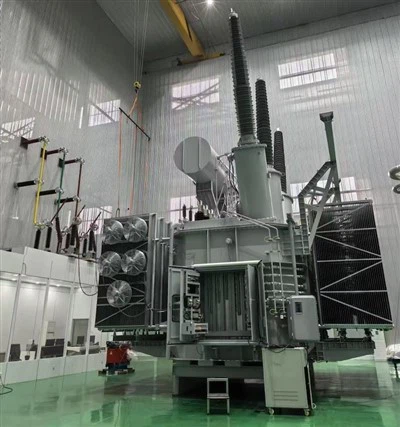
I’m Jake, and for the last 12 years, I’ve been hands-on in the transformer radiator space—first as a field tech troubleshooting on-site, now as part of the team that actually designs and supplies these critical cooling units. If you’ve ever worked with power transformers, you know the radiator fins aren’t just metal plates tacked onto the side of the unit—they’re the unsung heroes keeping everything from city grid substations to remote mining power plants running without overheating. Recently, I’ve been fielding more calls than usual from maintenance teams panicking about damaged fins after storms, construction mishaps, or even just normal wear and tear. So today, let’s cut through the vague “it’s bad” talk and get real about what a damaged fin actually does to a transformer radiator, plus why that matters for uptime.
First, let’s do a quick refresher on how transformers and their radiators work together, because if you skip this, the damage effects won’t make sense. A transformer’s core job is stepping voltage up or down for power distribution—but all that copper windings and core metal create heat, right? Left unchecked, that heat would eat through insulation, warp core steel, and turn a $500k unit into scrap before its 30-year lifespan is up. That’s where the radiator system comes in. Most distribution and medium-power transformers use oil-filled radiators: the transformer itself is submerged in dielectric insulating oil, which circulates through internal pipes, carries heat away from the core/windings, and dumps that heat into the radiator fins. The fins are designed with tons of tiny, evenly spaced surface area to maximize contact with ambient air—so when air flows over them (naturally, via convection, or forced via fans in high-load setups), the oil cools down and cycles back. Each fin isn’t just another piece of metal; it’s part of a carefully calibrated system where every square inch of cooling surface counts.
Now, let’s talk about what counts as a “damaged fin” because this is where I see a lot of miscommunication with clients. It’s not just a big dent from a crane or a falling tree branch—though that’s definitely damage. Even small, subtle issues count: a pinhole leak that let oil escape, a fin that’s bent over halfway, corrosion that’s eaten through a third of a surface, or even a fin that’s just slightly misaligned so it’s not sitting flush against the adjacent ones. I had a client last month who wrote off a radiator because of a 2-inch dent in three fins—turns out they didn’t realize the damage was in a low-flow area, so the impact was negligible. Context is everything here, but let’s break down the effects across different damage types, based on what I’ve seen in the field and lab tests our team runs every quarter.
The biggest and most immediate effect? Reduced heat transfer efficiency, full stop. Let’s do the math (no fancy calculus, I promise). A standard 1000 kVA transformer radiator has around 24 square meters of total fin surface area. If a technician damages four fins, each with 0.5 square meters of surface area, that’s 2 square meters of lost cooling space—about 8% of the total. But here’s the catch: not all surface area is created equal. Fins in the center of the radiator assembly get the most air flow; fins at the edge get less. Damage to a center fin cuts into the high-flow, high-impact area, while damage to an edge fin might barely move the needle. But even 5% efficiency drop is a big deal. Our lab tests show that a 6% efficiency loss translates to a 3-4°C higher operating oil temperature at max load. Transformers are rated for a specific maximum hot-spot temperature—usually around 98°C for mineral-oil units. Push that 4°C over for a few weeks, and you start accelerating insulation aging by a factor of 1.5, per IEEE standards I reference every day. That’s not a “minor delay” for maintenance—that’s a transformer that’s now at risk of failing mid-summer when demand spikes.
Next up: oil leaks, which are way more than a mess. A damaged fin’s dent or crack doesn’t just ruin metal—it breaches the hermetic seal that keeps the transformer oil clean. Dielectric oil isn’t just lubricant; it’s insulation too. If moisture, dust, or even ambient air seeps in through a pinhole from a bent fin, that drops the oil’s dielectric strength. We’ve seen field cases where a single pinhole leak from a lightly damaged fin caused oil moisture levels to jump from 15 ppm to 120 ppm in six months—well above the 35 ppm threshold for safe operation. Worse, oil leaks create safety hazards: leaking oil is flammable, and if it pools near a substation, it’s a fire risk that can shut down an entire grid segment. I remember a storm in 2021 where a substation in Ohio had three damaged fins from falling tree branches; a leak from one fin spilled oil onto a live busbar, causing a 12-hour outage that affected 12,000 homes. That’s the kind of cost you don’t see on a repair quote until it’s too late.
Then there’s the hidden damage from airflow disruption, which most maintenance teams miss until it’s a crisis. Remember how fins are spaced evenly to guide air across the entire assembly? If a fin is bent over, it blocks the gap between two adjacent fins, creating a bottleneck. That stops air from flowing through that section, so instead of cooling evenly, you get hot spots in the blocked area. I once had a site visit where a farmer’s tractor backed into a transformer radiator, bending three fins at the bottom. The maintenance tech checked the temperature at the top of the radiator, which was normal, so they left it. Three months later, the transformer failed—turns out the blocked fins at the bottom had created a hot spot where the oil was 12°C higher than the rest. The core insulation had degraded right there, and by the time they noticed, it was too late. Forced-air radiators face even more risk here; if a bent fin is too close to the fan blades, it can cause physical damage to the fan motor, leading to total cooling system failure. That’s not just a fin repair—you’re looking at replacing a $10k fan unit on top of the fin damage.
Wait, but what about small, cosmetic dents? I get it—some clients brush off a tiny dent as “just looks bad.” But I’ve seen a 1-inch dent on a fin cause a corrosion pit within a year. How? The dent creates a stress point in the metal, which breaks down the protective zinc coating (galvanization) we apply to every fin to fight rust. Once the coating is gone, moisture and salt (if the substation is coastal) eat through the fin from the outside, until it breaches the oil side. That’s a slow-burn problem that doesn’t show up on temperature readings until the damage is significant. We had a client in Florida last year who skipped fixing a few small dents on a coastal substation’s radiator; two years later, corrosion had eaten through 11 fins, and they had to replace the entire radiator instead of patching a few. Total cost? $45k, compared to the $1,200 it would have cost to replace the damaged fins when they first noticed.
Now, let’s talk about when to panic and when to take it slow. Not all fin damage is a death sentence for the transformer or the radiator. For example, if you have a damaged fin on the edge of the assembly, no leak, no blockage, and your average operating temperature is 5°C below the maximum threshold, you can usually hold off on immediate repairs—just keep an eye on moisture levels and oil temperature during your quarterly checks. But if you have a fin that’s leaking, bent enough to block airflow, or located in the center of the radiator, that’s urgent. The key here is working with a supplier that doesn’t overcharge for small repairs but also doesn’t tell you to ignore a dangerous issue. Our team does free on-site assessments for our clients because we know the last thing you need is a surprise failure.
A few common mistakes I see clients make when dealing with damaged fins: first, trying to bend them back into shape without welding or replacing the fin. Bending a fin that’s already damaged can create more stress points or crack the metal, making the problem worse. Second, patching leaks with epoxy or sealant meant for pipes—dielectric oil needs materials that are compatible, and regular epoxy can break down and seep into the oil, causing contamination. Third, waiting until summer to fix damage when the grid is already under load—proactive repairs in spring, before demand spikes, save way more money than emergency fixes during a blackout event.
At the end of the day, transformer radiators are a system of small, interconnected parts, and every fin matters. I’ve built radiators that have run smoothly for 20 years, and I’ve seen one fail in six months because a single fin was damaged and left unaddressed. The bottom line is this: damaged fins don’t just hurt efficiency—they shorten transformer lifespan, create safety hazards, and cost way more in the long run than fixing them early.
If you’re dealing with damaged fins, aren’t sure how to assess the impact, or need to order replacement fins that match your existing radiator’s specs (we keep custom parts in stock for most common models), don’t hesitate to reach out. We’ve worked with substation maintenance teams across North America to get them back online fast, no hidden fees, no confusing jargon. You don’t have to navigate this alone.
Transformer Radiator References
- IEEE Std C57.106-2017, Guide for Operation and Maintenance of Liquid-Immersed Power Transformers
- Kulkarni, S. V., & Khaparde, S. A. (2004). Transformer Engineering: Design and Practice. CRC Press
- International Council on Large Electric Systems (CIGRÉ) Technical Brochure 765, 2019: Cooling System Reliability for Power Transformers
- National Electrical Manufacturers Association (NEMA) Standard TP 1-2016, for Liquid-Immersed Distribution Transformers
Nantong Zhihe Electric Co., Ltd.
As one of the most professional transformer radiator manufacturers and suppliers in China, we’re featured by quality products and low price. Please rest assured to wholesale cheap transformer radiator made in China here from our factory. Customized orders are welcome.
Address: NO.202 Jianghai West Road, Hai’an Town, Hai’an City, Jiangsu Province
E-mail: colt.ntzh@gmail.com
WebSite: https://www.ntzhelectric.com/
