In the world of industrial packaging, the quest for the most effective and reliable corrosion protection methods is a continuous one. As a supplier of VCI (Volatile Corrosion Inhibitor) Anti – Film, I am often asked about its compatibility with other packaging materials. This question is crucial because the right combination of packaging materials can enhance the overall protection of metal products during storage and transportation, while an incompatible mix can lead to reduced effectiveness and even damage to the goods. VCI Anti Film
Understanding VCI Anti – Film
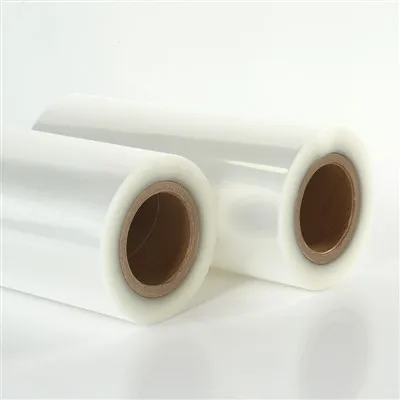
Before delving into its compatibility, it’s essential to understand what VCI Anti – Film is. VCI Anti – Film is a specialized plastic film infused with volatile corrosion inhibitors. These inhibitors are substances that vaporize at normal atmospheric conditions and form a protective molecular layer on the surface of metal. This layer prevents the oxidation and corrosion of metal by blocking the access of moisture, oxygen, and other corrosive agents.
The beauty of VCI Anti – Film lies in its versatility. It can be used to wrap various metal products, from small precision parts to large machinery components. It is also available in different forms, such as sheets, bags, and rolls, making it suitable for a wide range of packaging needs.
Compatibility with Common Packaging Materials
Cardboard
Cardboard is one of the most widely used packaging materials due to its low cost, recyclability, and ease of use. Generally, VCI Anti – Film is highly compatible with cardboard. When used together, the cardboard provides a rigid structure that protects the wrapped metal product from physical damage, while the VCI Anti – Film inside offers corrosion protection.
The porous nature of cardboard allows the VCI molecules to diffuse, enhancing the anti – corrosion effect. Additionally, the cardboard can act as a barrier against external moisture to some extent, complementing the VCI Anti – Film’s function. However, it’s important to ensure that the cardboard is dry before use, as excessive moisture in the cardboard can compromise the effectiveness of the VCI film.
Plastic Foam
Plastic foam, such as expanded polystyrene (EPS) and polyurethane foam, is commonly used for cushioning and shock absorption. VCI Anti – Film can be used in conjunction with plastic foam without significant compatibility issues. The foam provides physical protection to the metal product, preventing it from being damaged during handling and transportation.
However, some types of plastic foam may contain additives or chemicals that could potentially react with the VCI in the film. For example, certain flame – retardant additives in foam might be incompatible with the VCI. Therefore, it’s advisable to test the specific types of plastic foam and VCI Anti – Film together before large – scale use.
Bubble Wrap
Bubble wrap is another popular cushioning material. It is made of plastic and filled with air bubbles, which act as shock absorbers. VCI Anti – Film and bubble wrap are generally compatible. The VCI film can be wrapped around the metal product first, followed by a layer of bubble wrap for extra protection.
The plastic in bubble wrap is typically a polymer that does not interfere with the VCI function. However, if the bubble wrap has an adhesive layer, care should be taken. Some adhesives may release chemicals over time that could affect the VCI performance or even cause corrosion on the metal surface if they come in contact with it.
Kraft Paper
Kraft paper is a strong and durable paper commonly used for packaging. It has good tear resistance and can be used to wrap or cushion metal products. Similar to cardboard, VCI Anti – Film and kraft paper are compatible. The kraft paper can be used as an outer layer, providing a protective shield against dust and light rubbing, while the VCI film inside wards off corrosion.
The fiber nature of kraft paper allows the VCI molecules to penetrate and spread, increasing the overall protection area. As with cardboard, the kraft paper should be dry to maintain the effectiveness of the VCI Anti – Film.
Factors Affecting Compatibility
Chemical Composition
The chemical composition of both the VCI Anti – Film and the other packaging materials plays a significant role in compatibility. Some materials may contain substances that can react with the VCI chemicals. For example, certain plastics may release acidic or alkaline substances during storage, which can neutralize the VCI molecules and reduce their anti – corrosion efficiency.
Temperature and Humidity
Environmental conditions such as temperature and humidity can also affect the compatibility of VCI Anti – Film with other packaging materials. High temperatures can accelerate chemical reactions between different materials. For example, at elevated temperatures, some plastics may become more prone to releasing additives that could react with the VCI.
High humidity can increase the likelihood of moisture – related problems. If the packaging materials absorb a large amount of moisture, it can create a damp environment that is conducive to corrosion, even if a VCI Anti – Film is present.
Storage Duration
The length of time the metal product is stored in the packaging also matters. Over a long – term storage period, the interactions between different packaging materials may change. For instance, some materials may degrade slightly over time, releasing substances that could interact with the VCI in the film.
Testing Compatibility
Given the complexity of material interactions, it is crucial to conduct compatibility testing before using VCI Anti – Film with other packaging materials. There are several ways to perform these tests:
Visual Inspection
This is the simplest method. Wrap a metal sample with the VCI Anti – Film and the other packaging materials, and store it under normal or accelerated aging conditions. Regularly check for any signs of corrosion, discoloration, or damage to the metal or the packaging materials.
Electrochemical Testing
Electrochemical methods can be used to measure the corrosion rate of the metal in the presence of different packaging combinations. By comparing the corrosion rates of metal samples with and without the use of specific packaging materials, the compatibility can be evaluated more accurately.
Chemical Analysis
Chemical analysis techniques, such as gas chromatography – mass spectrometry (GC – MS), can be used to detect any chemical changes in the VCI Anti – Film or the other packaging materials over time. This can help identify if there are any harmful chemical reactions taking place.
Benefits of Compatible Packaging Combinations
When VCI Anti – Film is used in combination with compatible packaging materials, several benefits can be achieved:
Enhanced Protection
The combination can provide both physical and chemical protection to the metal product. For example, the outer packaging material can protect the product from scratches and impacts, while the VCI Anti – Film inside prevents corrosion.
Cost – Effectiveness
By using a combination of different packaging materials, companies can optimize their packaging costs. For instance, using a low – cost outer material like cardboard or kraft paper along with a VCI Anti – Film can provide effective protection at a relatively low cost.
Environmental Friendliness
Many of the commonly used packaging materials, such as cardboard and kraft paper, are recyclable. When combined with VCI Anti – Film, which is also often designed to be environmentally friendly, the overall packaging solution can be more sustainable.
Conclusion
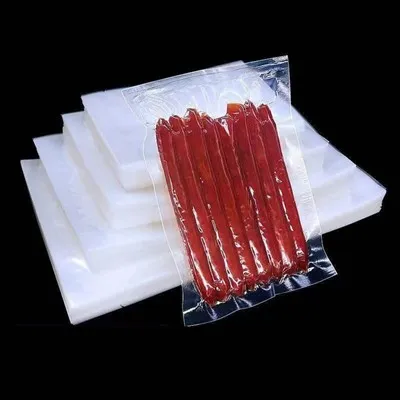
In conclusion, VCI Anti – Film is generally compatible with a wide range of common packaging materials such as cardboard, plastic foam, bubble wrap, and kraft paper. However, compatibility is influenced by factors such as chemical composition, temperature, humidity, and storage duration. It is essential to conduct compatibility testing to ensure the best performance of the packaging system.
Food Packaging Film As a supplier of VCI Anti – Film, I am committed to providing high – quality products and professional advice on packaging solutions. If you are considering using VCI Anti – Film in your packaging operations and have questions about its compatibility with other materials, or if you are interested in learning more about our products, please do not hesitate to contact us. Our team of experts will be happy to assist you in finding the most suitable packaging combination for your specific needs. Whether you are a small – scale manufacturer or a large – scale distributor, we can work with you to develop a cost – effective and reliable corrosion protection packaging solution.
References
- "Corrosion Control by Vapor – Phase Inhibitors" by Parker, H. W.
- "Handbook of Corrosion Engineering" edited by Schweitzer, P. A.
- "Plastic Packaging Materials for Food" by Yam, K. L.
Wenzhou Fuya New Material Technology Co., Ltd.
Address: No. 588, Nengke Industrial Park, Shidai Avenue, Longgang City, Wenzhou City, Zhejiang Province
E-mail: fuya2750@gmail.com
WebSite: https://www.fuyafilm.com/
