Hey everyone, it’s Jake here from your go-to pesticide intermediates supplier. Lately, I’ve been getting so many DMs and calls from folks in the ag or chemical space asking basically the same question: “What’s the actual difference between all these pesticide intermediates?” Like, half the time people throw around terms like technical grade, formulation intermediates, maybe even active pharmaceutical ingredient (API) adjacent stuff like it’s all the same. Spoiler: it’s not. And if you’re ordering the wrong one? You’re wasting time, money, and probably gonna mess up your end product. Let’s break this down like we’re chatting over coffee, no stuffy jargon overload promise. Pesticide Intermediates

First off, let’s get one basic definition straight before we dive into the types. A pesticide intermediate is basically the building block you use to make the actual end pesticide—think of it like baking a cake. The flour, sugar, eggs? Those are intermediates, and the finished cake is the final bug spray, herbicide, whatever. Got it? Now, not all building blocks are equal, and that’s where all the differences pop up. The main types I deal with day-to-day are: technical grade intermediates, formulation intermediates, process intermediates, and maybe the lesser-talked-about custom synthesis intermediates. Let’s go one by one, real talk style.
Starting with technical grade intermediates. This is like the base, unprocessed core building block. I’m talking stuff that’s already got the main chemical structure you need, just not pure enough to use as the final product—wait, actually, most end pesticides are technical grade too, but intermediates are the step before that. For example, if we’re making a common herbicide like glyphosate, one of the early intermediate steps gives you a compound called iminodiacetic acid (IDA). That’s technical grade: it’s 95-98% pure, has a tiny bit of leftover reaction byproducts, nothing crazy, but not clean enough to sell as a standalone pesticide. Why does this matter for you? If you’re a formulator, you don’t need lab-grade IDA—you need technical grade because it’s cheaper, and the small impurities don’t mess with the end glyphosate. Last quarter, I had a customer who ordered lab-grade IDA by mistake for their commercial production line. Total nightmare—cost them an extra 20% on materials and slowed their production by a week because lab grade is way more finicky to process in big batches. That’s the kind of mix-up I’m trying to help you avoid.
Next up, formulation intermediates. These are the ones people mix up all the time with technical grade, so I’m gonna hammer this home. Formulation intermediates are specifically made to get blended into the final pesticide formulation—so that stuff you spray on crops, right? These have usually been purified a bit more than technical grade, like 98-99.5% pure, and sometimes they have tiny, controlled additives already in them. Wait, not just pure—they’re tailored for mixing. For example, if we’re making a fungicide that’s gonna be a liquid concentrate, the formulation intermediate might have a tiny bit of a surfactant pre-blended in, so when you add water to make the spray, it mixes evenly and doesn’t clump. I had a vegetable farm client last year who was using technical grade fungicide intermediate and complaining about nozzle clogging every time they sprayed. Switched ‘em to the formulation intermediate version that had a built-in dispersant, and their clog rate dropped by 90%. That’s the real value here—formulation intermediates aren’t just cleaner building blocks, they’re pre-adjusted to work in your mixing process. If you’re the type who blends pesticides on-site, this is the one you want. Don’t waste your time or money with technical grade, you’ll end up chasing small fixes instead of hitting your production targets.
Then there’s process intermediates. These are the ones that are only made to exist for a hot second during the chemical reaction to make the next intermediate or final product. Think of them like the dough you scrape off the bowl while baking—you don’t serve that to guests, you just need it to get to the final cake. A good example here is when you make the insecticide malathion. One of the steps in the reaction makes a super temporary intermediate called demeton-S-methyl sulfoxide. This stuff is so unstable, you can’t store it for more than a couple days, it breaks down on its own even at room temp. So why does this matter to you? Unless you’re running a full-blown chemical manufacturing plant that does multi-step reactions in-house, you’ll never order process intermediates. These are only for companies that do the entire synthesis chain themselves, from raw materials all the way to final pesticide. If you’re a formulator or a mid-sized farm supplier, you can skip asking about process intermediates—we only hold stock on these for our big manufacturing clients who handle their own full reaction lines. I’ve had a small startup agrochemical company email me asking for process intermediates last year, and they had no clue that stuff isn’t something you ship in 55-gallon drums like technical grade. Saved ‘em the embarrassment of making a wrong order, that’s for sure.
The fourth type I wanna talk about is custom synthesis intermediates. This is the wild card, the one that’s made for specific, unique pesticides that don’t have a mass market. Like, if a big ag company is making a new, niche herbicide for a specific weed only found in parts of the Midwest, they can’t use standard intermediates—they need something tailor-made for that reaction. These are usually low-volume, super high-purity (like 99.9% pure sometimes), and way more expensive than the other types. I work with a couple of small biotech firms that are developing next-gen pesticides, and their custom intermediates are what keep our custom synthesis team busy. The key difference here is that custom intermediates aren’t off-the-shelf—you can’t just place a standard order on our website (if we even had one, most custom stuff is one-off). You have to send over specs: exact purity, any trace impurities allowed, shelf life, maybe even the packaging type you need (like amber glass instead of plastic because the compound breaks down in light). Last month, a client needed a custom intermediate that was sensitive to moisture, so we had to package it in nitrogen-purged drums and ship it overnight—no way you’d do that with a technical grade intermediate for mass production.
Now, let’s talk about the big pitfalls of mixing these up, because that’s why I’m writing this. I’ve seen it way too many times: a farm formulator orders technical grade when they need formulation, a small manufacturer asks for process intermediates for their on-site line, a startup orders custom to cut costs. The results? Wasted inventory, delayed production, even failed regulatory checks. Wait, regulatory checks! That’s a big one I almost forgot. Most countries (US EPA, EU REACH, etc.) require that pesticide intermediates meet specific purity standards, depending on what they’re used for. If you use an unapproved technical grade intermediate in a formulation that’s gonna be sold commercially, you might get fined, or your product might get pulled from shelves. I had a client in Mexico last year that got a delayed shipment because they used a low-grade intermediate that didn’t meet Mexico’s environmental standards—cost them a whole season of sales for their tomato crops, which was devastating. So picking the right intermediate type isn’t just a money thing, it’s a compliance thing.
Another thing people don’t talk about enough is shelf life and storage. Technical grade intermediates have a 6-12 month shelf life if stored in cool, dry places. Formulation intermediates are a bit shorter, like 3-6 months, because they have those small additives that can break down over time. Process intermediates, as I said, are only good for days. Custom intermediates? Depends on the compound—some last a year, some only a month. So if you’re ordering stuff that sits in your warehouse for months, you don’t want a process intermediate, that’ll be useless by the time you use it. I always tell new clients: tell me your timeline, your production volume, and what you’re making, and I’ll point you to the right intermediate. I don’t do the hard sell—my goal is to make sure you get exactly what you need, no waste.
Wait, let’s add a quick real example to make this concrete. Last spring, I had two different clients reach out for intermediates for the same fungicide, chlorothalonil. One was a large regional farm supply co. that mixes 5,000-gallon batches of fungicide for retail sale. They needed formulation grade chlorothalonil intermediate—99% pure, pre-blended with a wetting agent, packaged in 250-gallon drums. The other client was a small biotech lab that’s testing a new fungicide combination for private research. They needed a custom, ultra-pure (99.99%) technical grade intermediate, packaged in 5-gallon plastic pails, with no added additives. If either had swapped orders? The farm would’ve had clogging issues with their sprayers and wasted 10% of their batch due to impurities. The biotech would’ve had to redo their entire experiment because the pre-blended additive messed up their test results. That’s how big the difference is.
Also, let’s address the “are some intermediates better than others?” question, because I get that too. No, not inherently—there’s a time and place for each. Technical grade is great for mass production where small impurities don’t matter. Formulation is perfect for on-site blending. Process is for big manufacturing plants. Custom is for new R&D. The mistake is assuming one size fits all. I know it’s tempting to just grab the cheapest one, but that’s a short-term win that turns into a long-term headache. I’ve had clients who tried to save a few cents per pound on technical grade, and ended up paying 10x more in rework and delays.
Now, if you’re sitting here thinking “okay, so what do I order?”—here’s my quick cheat sheet, no notes needed:
- If you mix pesticides for sale on a farm/retail: Ask for formulation intermediates.
- If you’re part of a big chemical plant making pesticides in bulk: Ask for technical grade intermediates.
- If you’re doing custom R&D or testing new pesticides: Ask for custom synthesis intermediates (and be ready to share your exact specs).
- Unless you run a full production line with multiple reaction steps, skip process intermediates entirely.
At the end of the day, the whole point of working with a good intermediate supplier is that you don’t have to know all this stuff—you just have to tell me what you need, and I’ll sort out the type, purity, packaging, everything. I’ve been in this game for 8 years, so I’ve seen every mix-up imaginable, and my job is to make sure you don’t have to go through that.
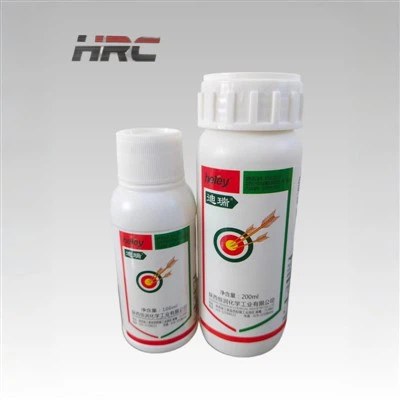
If you’re ready to stop guessing and get the right pesticide intermediates for your operation, reach out to my team—we can walk through your needs, answer any questions, and get you a quote fast. No jargon, no hidden fees, just straight talk and reliable product.
Technical Concentrate References
- U.S. Environmental Protection Agency (EPA). "Pesticide Intermediate Definitions and Regulatory Requirements," 2022.
- European Chemicals Agency (ECHA). "Guidance on Intermediate Substances Under REACH," 2021.
- Agrochemical Intermediates Association (AIA). "Technical vs. Formulation Intermediates: A Practical Guide," 2023.
- Journal of Agricultural and Food Chemistry. "Impurity Impact on Pesticide Formulation Performance," 2020.
Shaanxi Hengrun Linong Biotechnology Co., Ltd.
We’re well-known as one of the leading pesticide intermediates manufacturers and suppliers in China, featured by quality products and low price. Please rest assured to buy discount pesticide intermediates from our factory. Welcome to view our website for more information.
Address:
E-mail: sales@hengrunagro.com
WebSite: https://www.hengrunagro.com/
