Alright, let me tell you something that might make you go, “Wait, I had no idea this was a thing.” So, if you’re a facility manager, an electrician, or someone who just buys metal distribution boxes (yeah, that’s what we do here), you’ve probably wondered: what even makes a metal distribution box safe enough for a hazardous area? Spoiler alert: it’s not just slapping a metal shell on a box and calling it a day. I’m gonna break this down like I would over a coffee with a friend—no stuffy jargon, just real talk that actually matters, especially since I’m the guy who sells these boxes for a living. Metal Distribution Box
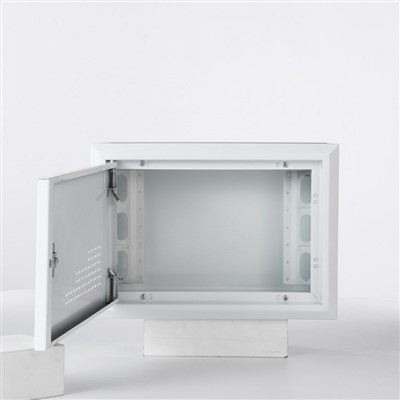
First off, let’s define what a “hazardous area” even is, ‘cause if you don’t know that, the rest is useless. These are places where there’s a risk of flammable stuff hanging around—think gas stations, chemical plants, paint factories, even some big farm operations with grain dust or propane tanks. The problem is, regular old electrical gear? If it sparks or gets too hot, it can set that whole area on fire or blow up. That’s why you can’t just grab any metal box from the hardware store and plop it there.
Now, the big one: classification. You can’t pick a box without knowing exactly what kind of hazardous area you’re dealing with. The IEC (International Electrotechnical Commission) and NEC (National Electrical Code—super important in North America) split these areas into zones based on how often the flammable stuff is there. Zone 0 is the worst—like, there’s always a flammable gas or vapor around, 24/7. Zone 1 is next—probably not all the time, but maybe during a process that runs daily. Zone 2 is the mildest—only if something goes wrong, like a leak. Then there’s dust hazardous areas, too, split into zones for combustible dust, which is a whole other headache. Your box has to be rated specifically for the zone it’s going into—no exceptions. I see so many people skip this, and it gives me heartburn ‘cause that’s when mistakes happen.
Next, explosion-proof vs. non-incendive—wait, no, hold on, let’s not mix these up. Explosion-proof boxes (often called “XP” boxes) are the ones that can actually contain an explosion if one happens inside, right? The metal shell is thick enough to withstand the blast, and any gaps (like around the screw covers or the cable entry points) are super precise—they make sure the flame from inside cools down before it gets out, so it doesn’t ignite the surrounding flammable stuff. These are for the really high-risk zones, like Zone 0 or Zone 1. Then there’s non-incendive equipment, which means it doesn’t produce enough heat or spark to start an explosion in the first place. Those are for Zone 2, usually, ‘cause the risk is lower. But as a supplier, I can’t tell you how many times customers mix these two up. A non-incendive box in a Zone 1 area? That’s a recipe for disaster. So that’s non-negotiable: match the box type to the zone.
Material choice is another big one, and yeah, it’s metal, but not all metals are created equal. You can’t use just any steel, for example. It has to be corrosion-resistant, ‘cause hazardous areas often have chemicals or moisture that eat away at stuff. If the box rusts through, that’s a gap where flammable stuff can get in, or sparks can get out. A lot of my customers ask, “Can’t we use cheaper steel?” and I’m like, maybe not here. We use things like coated carbon steel, stainless steel (304 or 316 grade, depending on the chemicals), sometimes even aluminum, but only if it’s the right kind. Wait, but aluminum has a downside—if two pieces hit each other, they can make a spark (aluminum sparking is super common, who knew?). So if you use aluminum, you have to make sure there’s no chance of impact that would cause a spark. Also, the metal has to be sturdy enough—no flimsy boxes that dent if someone bumps into them, ‘cause a dent can break the tight seals that keep the hazardous stuff out.
Seals and enclosures—this is where 90% of the mistakes happen, trust me. The cable entry points (where you run the wires into the box) can’t just be loose holes. They need specialized seals, like cable glands that are rated for hazardous areas. These seals have to make a tight, gas-tight or dust-tight fit, depending on the hazard. If a cable is running through a gap that’s even a tiny bit off, flammable vapor can get into the box, and if there’s a spark inside, boom. Also, the lid of the box—when you close it, it has to make a proper seal, not just sit on top. Some boxes have threaded lids or gasket seals that compress when you tighten the bolts, so there’s no way air or dust can get in. I always tell my team to test these seals before shipping, ‘cause a box that passes our test is way better than one that doesn’t, even if it costs an extra minute or two.
Thermal management—wait, why does that matter in a hazardous area? ‘Cause if the box gets too hot, it can ignite flammable stuff nearby. So the box can’t run too hot, and any components inside can’t get hotter than the ignition temperature of the hazardous material. For example, if you’re dealing with gasoline, which ignites at around 280°F, the box’s surface temperature has to stay below that. That means we have to make sure the box has enough ventilation if it’s got a lot of heat-generating components inside, but not so much ventilation that flammable stuff can get in. Sometimes that means using heat sinks, or placing components in a way that doesn’t trap heat, or using materials that dissipate heat well. I’ve had customers come to me with a box that overheats and trips the circuit constantly, and it’s ‘cause they didn’t think about thermal rating for the area.
Ingress Protection (IP) ratings—don’t sleep on these, either. The IP code tells you how well the box is protected against solid things (like dust) and liquids (like water). For hazardous areas, you need a high IP rating—usually IP65 or higher. IP65 means it’s totally dust-tight, and can handle low-pressure water jets from any direction. If dust gets in the box, it could build up and create a combustible mix, or cause a short that sparks. If water gets in, it could corrode components or cause a short. So yeah, IP rating is part of the package, and it has to be specific to the area’s environment.
Testing and certification—this is the most important part, in my opinion. You can’t just make a metal box and say it’s safe. It has to be tested by a third-party lab that knows hazardous areas. Certifications like ATEX (for Europe), IECEx (global), or NEC approval (for North America) are non-negotiable. When a box has that stamp, it means it’s passed all the tests: explosion containment, seal integrity, thermal limits, corrosion resistance. A lot of cheap boxes from no-name suppliers don’t have these certifications, and I see customers getting burned by that. They save a few bucks, but then their inspector rejects the installation, or worse, there’s a problem. As a supplier, I only sell boxes that are fully certified ‘cause I don’t want my customers taking that risk.
Wait, let’s also talk about installation, ‘cause even the best box is useless if it’s installed wrong. Grounding is huge—you have to ground the box properly so any static electricity or electrical faults don’t build up and spark. Also, you can’t modify the box after it’s certified. If you drill an extra hole in it for a cable, that breaks the seal and the certification. I always send my customers a little guide with the boxes, telling them exactly how to install it, no shortcuts. I even offer on-site consultations sometimes ‘cause I want to make sure it’s done right, not just sell the box and ghost ‘em.
Let me give you an example. A few months back, a paint shop owner came to me panicking. He had a regular metal box in his mixing area, and his inspector said it was a huge fire hazard. The mixing area has paint vapors everywhere, so that’s a Zone 1 area. He tried to use a regular steel box, but it wasn’t explosion-proof, and the cable glands he used didn’t have the right seals. We swapped it out for an XP box rated for Zone 1, with stainless steel material, IP67 rating (even higher than he needed ‘cause the place got messy with paint), and certified. He was so relieved, ‘cause now he can keep his shop running without worrying about being shut down. That’s why this stuff matters—no joke.
Another thing: maintenance. Metal distribution boxes in hazardous areas aren’t “set it and forget it.” You have to check them regularly. Look for rust, loose bolts, damaged seals, cable glands that are worn out. If you see a dent or a crack in the metal, that’s a problem. I tell my customers to schedule checks every 6 months, more often if the area has really harsh conditions. Last year, a chemical plant told me they found a small leak in a box seal during a routine check—if they hadn’t caught it, flammable vapor would’ve gotten in, and a spark from a component would’ve been bad. So maintenance isn’t optional, it’s part of the requirement.
Wait, did I miss anything? Oh, size and fit. You need a box that’s big enough for all the components you’re putting inside, but not so big that you’re wasting space (and money). But also, the layout inside matters—making sure there’s enough room for wires, so they don’t get crammed and cause overheating. I always help my customers calculate the right size box, ‘cause too small and you have to modify it, which breaks certification, too big and you’re paying for extra space you don’t need.
Let me wrap this up with the most important takeaway: if you’re working with a hazardous area, don’t cut corners on your metal distribution box. Every part—rating, material, seals, testing, installation, maintenance—plays a role in keeping people and property safe. I’ve seen too many close calls, and too many businesses lose money or get shut down ‘cause they skipped a requirement. That’s why as a metal distribution box supplier, I don’t just sell boxes—I give advice, make sure they’re certified, and stand behind every product I send out.
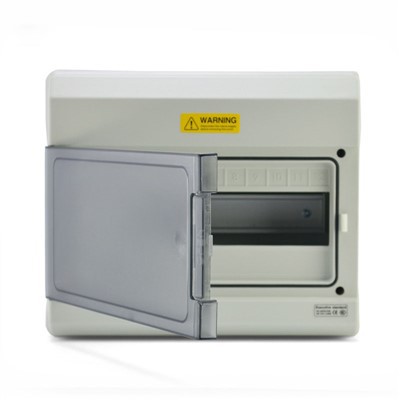
If you’re in the market for a box for a hazardous area, or you just have questions about what you need, don’t hesitate to reach out. We can walk through your specific area, the risks you’re dealing with, and find the exact box that fits. No pressure, no sales pitch, just honest talk that helps you do the job right.
ES Rittal Cabinet References:
- International Electrotechnical Commission (IEC) Standard 60079, Electrical apparatus for explosive gas atmospheres.
- National Electrical Code (NEC) Article 500, Hazardous (Classified) Locations.
- International Electrotechnical Commission (IEC) Standard 61241, Electrical apparatus for use in the presence of combustible dust.
- ATEX Directive 2014/34/EU, Equipment and protective systems intended for use in potentially explosive atmospheres.
- Underwriters Laboratories (UL) Standard 698, Electrical apparatus for Class I, Division 2, Hazardous (Classified) Locations.
Shandong Qinghua Yike Electric Co., Ltd.
As one of the most experienced metal distribution box manufacturers in China, we also support customized service. We warmly welcome you to buy durable metal distribution box for sale here from our factory. If you have any enquiry about cooperation, please feel free to email us.
Address: No. 378 Taozhuang Village, Zaoyuan Town, Lanshan District, Linyi City, Shandong Province
E-mail: admin@sd-qhyk.com
WebSite: https://www.qhecobox.com/
