Hey there, everyone! If you’ve ever wandered through a textile studio, a craft shop, or even the yarn aisle at your local big-box store, chances are you’ve spotted fancy yarn—those fun, textured guys that aren’t your basic, run-of-the-mill worsted weight or cotton. I’m [no company name], and after years of being a yarn supplier, I get it: when customers reach out asking if their new hand-dyed, bouclé, or slub skein needs extra TLC, they’re not just being fussy—they’re scared of ruining that one-of-a-kind piece they worked so hard (or paid a pretty penny) for. So let’s cut through the confusion and answer the real question: Does fancy yarn actually need special care? Spoiler: Kind of… but not as much as you might think—especially if you know how to spot what makes your skein “fancy” in the first place. Fancy Yarn
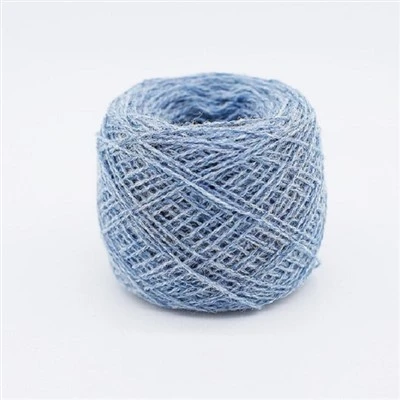
First off, let’s set the record straight: Fancy yarn isn’t a type of fiber—it’s a style. It’s the bouclé with those tiny, loopy curls, the slub that has thicker, unpredictable patches, the ribbon yarn that’s flat instead of round, or even the sequin-embellished stuff that makes your project feel like it’s straight off a fashion runway. All these details (the loops, the slubs, the extra bits sewn or twisted in) are what make them “fancy”—and that’s exactly where most care mistakes happen. Regular yarn is usually a tight, consistent twist, so it can handle rough treatment, hot water, or a spin cycle no problem. Fancy? Those extra features are fragile. That bouclé’s loops could snag or pull out if you’re not careful. The metallic thread in a ribbon yarn might fray if washed on a harsh setting. But here’s the good news: If you pay attention to a few key things, you don’t have to baby your fancy yarn like it’s a newborn. You just have to be intentional.
Let’s start with the biggest mistake I see customers make: assuming all fancy yarn is the same. Last year, a customer reached out to me panicking because she tossed her brand-new sequined fancy scarf in the washing machine with the rest of her laundry, and now half the sequins are missing. I felt terrible—she’d spent weeks making it, and her care tag (which is super important, by the way) had said “hand wash only.” That’s the thing: every fancy yarn is a mix of materials, so the care routine shifts based on what’s in it. A 100% wool bouclé is way different from a cotton slub that has a touch of polyester for stretch. The sequined one? It was a nylon base with polyester sequins, and the washing machine’s agitator or high spin just ripped the sequin attachments. That’s why reading the care tag isn’t just a suggestion—it’s non-negotiable for fancy yarn. If you can’t find a care tag (sometimes skeins get lost, or the tag falls off), reach out to your supplier—we’ve got the inside scoop on what went into making that yarn, and we can walk you through the best care steps. No guesswork required.
Now, let’s break down the specific care tweaks you might need for different types of fancy yarn, based on what I’ve seen over the years as a supplier. First up: bouclé yarn. Those little looped curls are what make bouclé so cozy and textured—but they’re also its weak spot. If you wash bouclé roughly, the loops can pull or flatten, which takes away that soft, unique texture. My rule for bouclé? Hand wash only, in cold or lukewarm water (hot water can make wool bouclé shrink, too—yikes). Use a gentle, wool-specific detergent—nothing with harsh enzymes or bleach. And for the love of all things yarn, don’t wring it out! That’s the #1 way to stretch those loops or make the whole skein misshapen. Instead, gently squeeze the water out (like you’re squeezing a stress ball, not a wet towel), then lay it flat on a terry cloth towel to dry. Roll the towel up with the yarn inside to absorb extra moisture, then unroll and reshape the bouclé into its original squishy, loopy self. I had a customer a few months back who’d made a bouclé throw and tried to hang it to dry—needless to say, it stretched out way too long, and she had to re-block it to get it back. Flat drying is non-negotiable here.
Next, slub yarn. Slub is that cool, uneven yarn with thick and thin patches—usually made by varying the twist as it’s spun. Slub is pretty durable, but it’s not indestructible. I’ve found that cotton slub (super popular for summer tops) can handle a gentle machine wash, as long as you put it in a mesh laundry bag to keep it from snagging on other clothes or the drum. But if it’s a slub with a mix of wool or a bit of metallic thread? Stick to hand wash. The metallic thread in a fancy slub can fray if it’s rubbed against denim or other rough fabrics in the wash, so the mesh bag is your best friend here. And don’t use fabric softener on slub yarn—softener can coat the uneven patches and make the slub look flat and boring, which defeats the whole point of slub yarn.
Then there are the “extra” fancy yarns—ribbon yarn, sequin yarn, eyelash yarn, and all that fun stuff. Eyelash yarn, with those long, fuzzy strands, is a total snag magnet. That stuff catches on zippers, buttons, even the side of your couch. For projects made with eyelash yarn, I always recommend hand wash only, and lay flat to dry. If you must machine wash, use the coldest, gentlest cycle and the mesh bag, but even then, I’ve seen the fuzzy strands start to mat. Sequin yarn is even trickier—like that customer I mentioned earlier, sequins can pop off if subjected to too much friction. The best move here is spot cleaning, unless the care tag says otherwise. If you have a stain, dab it with a mild detergent and a damp cloth, don’t rub. And never iron sequin yarn— the heat will melt the sequins, and that’s permanent (ask me how I know… I once ironed a sample skein for a photo shoot and ruined a whole batch. Oops). Ribbon yarn is similar—its flat, ribbon-like shape can fray if rubbed too much, so hand wash is safest, and hang to dry gently (but don’t stretch it).
Wait, but what about blocking? A lot of people think blocking is only for lace or delicate yarn, but fancy yarn benefits from it too—because that’s how you bring back those perfect textures. Blocking is just the process of wetting your finished project (not soaking, for most fancy stuff) and shaping it to the size and shape you want, then letting it dry flat. For a bouclé scarf, blocking will re-plump those loops so it’s soft and cozy again, instead of looking flat. For a slub top, it’ll even out the uneven patches so it drapes nicely. I always tell customers to block their fancy yarn projects once they’re done, even if they didn’t wash them yet—it just makes the whole piece look more polished. Pro tip: Use rustproof pins (never regular metal, which can rust and leave marks) and a towel to lay it on, and if you’re working with metallic fancy yarn, don’t use steam blocking—steam can dull the shine. Use cold water and just shape it with your hands.
Now, let’s address the big “can I machine wash it?” question that everyone asks. The short answer is: Sometimes, but only if it’s the right type of fancy yarn. If your yarn is 100% cotton, no added sequins, metallic, or wool, you can put it on a cold, gentle cycle in a mesh bag. But if it has any of those extra features, hand wash is the way to go. And even if it’s cotton, don’t use a high spin cycle—that can stretch slub yarn or make it lose its shape. I once had a customer send me a photo of her slub cotton tote bag that was way too big after a spin cycle—she’d put it on the heavy cycle and high spin, and it stretched out so much it was twice the size it was supposed to be. Lesson learned: gentle cycles only, no high spin for fancy stuff.
Another common question: Can I dry clean fancy yarn? Wait a second—most of the time, no. Dry cleaning uses harsh chemicals that can break down synthetic fibers (like sequins, metallic thread, or polyester) and also dull the natural texture of wool or bouclé. I’ve had a few customers ask about this, and the only time I recommend dry cleaning is if the care tag explicitly says it’s safe. For everything else, stick to hand wash and flat drying. It’s way gentler on those fancy details, and you won’t risk ruining your project.
Wait, but what about storage? That’s part of care too, right? Because fancy yarn is more likely to snag when stored. If you’re keeping unworked skeins, don’t just toss them in a bin with other yarns—wrap them in tissue paper or a soft bag, and store them where they won’t get crushed or caught on other items. For finished projects, like a fancy shawl or scarf, fold it neatly and store it in a drawer or on a shelf, not hung up (hanging can stretch out bouclé or slub yarn). If you have an issue with moths (which everyone does, it seems), use cedar blocks instead of mothballs—mothballs can leave a chemical smell that’s hard to get out, and they might damage delicate fancy yarn fibers. I keep cedar sachets in my own yarn storage, and it’s saved more than a few fancy skeins from munching.
Now, I know a lot of crafters hate “special care” because it feels like a hassle. Let’s be real—no one wants to spend an hour hand washing a scarf they made. But here’s the thing: fancy yarn is all about those unique details, and taking 5 extra minutes of intentional care will make that project last way longer, so you can enjoy it for years, not just a few washes. And if you’re using high-quality fancy yarn (shoutout to all the crafters who pick our yarn!), those details are built to last—you just have to respect them a little bit.
As a yarn supplier, I’m always here to help if you’re unsure about care for a specific skein. If you’re looking for fancy yarn for your next project, or you’ve got a skein at home you’re nervous about washing, reach out—we can chat through the specific care steps for whatever you’re working with. We’ve seen every type of fancy yarn out there, from sequined novelty yarn to hand-dyed bouclé, and we’re happy to pass on the tips we’ve learned over the years to help you keep your projects looking their best.
At the end of the day, fancy yarn does need a little extra care, but it’s not rocket science. You just have to pay attention to what makes it fancy—those loops, slubs, sequins, whatever—and adjust your routine to protect those details. Skip the hot water, skip the harsh cycles, always read the care tag, and don’t be afraid to ask if you’re unsure. That’s how you’ll keep those textured, eye-catching projects looking as good as the day you finished them.
If you’re ready to stock up on high-quality fancy yarn for your next project, or you’ve got questions about care for a skein you already have, don’t hesitate to get in touch to connect and chat about what you need. We’re here to help make your yarn journey as smooth (and fun!) as possible.
Semi-worsted Yarn References
Textile Institute. (2020). Care and maintenance of specialty yarns and fabrics. Textile Industry Journal.
Craft Yarn Council. (2022). Best practices for washing handcrafted projects made with novelty yarns. Craft Textile Report.
American Association of Textile Chemists and Colorists. (2021). Effect of laundering conditions on textured yarn performance. AATCC Technical Paper.
Huangshan Aotai Textile Co., Ltd.
As one of the most professional fancy yarn manufacturers and suppliers in China, we’re featured by quality products and good service. Please rest assured to wholesale bulk premium fancy yarn in stock here and get quotation from our factory. We also accept customized orders.
Address: Development Zone, Bei’an Town, She County, Huangshan City, Anhui Province
E-mail: aotaifangzhi2007@163.com
WebSite: https://www.cn-aotai.com/
