As a supplier of PET injection moulding machines, ensuring the quality of products manufactured using our machines is of utmost importance. Quality control measures play a crucial role in maintaining high – standards and meeting customer expectations. In this blog, I will delve into the various quality control measures for products made by a PET injection moulding machine. PET Injection Moulding Machine
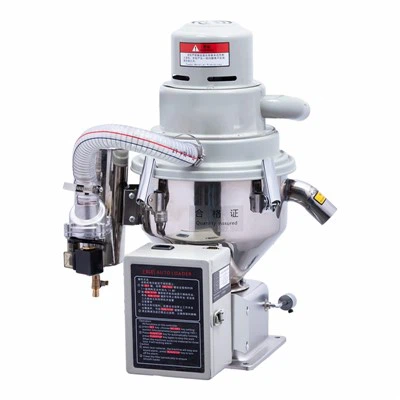
1. Raw Material Inspection
The quality of the final product starts with the raw materials. PET (Polyethylene Terephthalate) resin is the primary raw material used in PET injection moulding. We conduct a series of inspections on the incoming PET resin.
First, we check the physical properties of the resin, such as its moisture content. Excessive moisture in the PET resin can cause issues like bubbles, voids, and reduced mechanical strength in the final product. We use moisture meters to measure the moisture content accurately. If the moisture content is above the acceptable level, the resin is dried in a desiccant dryer until it reaches the appropriate moisture level.
We also examine the particle size and shape of the resin pellets. Uniform particle size and shape ensure consistent melting and flow during the injection moulding process. Any irregularities in the pellets can lead to inconsistent filling of the mould cavity, resulting in defective products.
In addition, we perform chemical analysis on the PET resin. This includes checking the molecular weight, viscosity, and other chemical properties. These properties can significantly affect the processing characteristics and the final properties of the product. For example, a resin with a too – low molecular weight may result in a product with poor mechanical strength, while a resin with a high viscosity may be difficult to process.
2. Machine Calibration and Maintenance
A well – calibrated and maintained PET injection moulding machine is essential for producing high – quality products. We regularly calibrate the machine’s key parameters, such as temperature, pressure, and injection speed.
Temperature control is critical in PET injection moulding. The melting temperature of PET resin needs to be precisely controlled to ensure proper melting and flow. We use thermocouples and temperature controllers to monitor and adjust the temperature of the heating zones in the injection barrel. Incorrect temperature settings can lead to issues such as incomplete melting, degradation of the resin, or poor part appearance.
Pressure control is also vital. The injection pressure must be sufficient to fill the mould cavity completely but not too high to cause flash or damage to the mould. We calibrate the pressure sensors and hydraulic systems to ensure accurate pressure readings and stable pressure during the injection process.
The injection speed affects the filling pattern of the mould cavity. A consistent injection speed helps to avoid air traps and ensures uniform distribution of the molten resin. We adjust and calibrate the injection speed according to the specific requirements of each product.
Regular maintenance of the machine is equally important. We perform routine checks on the machine’s components, such as the screw, barrel, and mould clamping system. Worn – out parts can cause variations in the injection process and lead to product defects. We replace any damaged or worn parts promptly to maintain the machine’s performance.
3. Mould Design and Inspection
The design of the mould has a significant impact on the quality of the PET injection – moulded products. A well – designed mould should have proper gate design, runner system, and cooling channels.
The gate is the entry point for the molten resin into the mould cavity. The size, shape, and location of the gate can affect the filling pattern and the appearance of the product. We carefully design the gate to ensure smooth and uniform filling of the mould cavity. For example, a small gate may cause high shear stress on the resin, leading to flow marks or short shots, while a large gate may result in a visible gate mark on the product.
The runner system is responsible for transporting the molten resin from the injection nozzle to the gate. A well – designed runner system should minimize pressure drop and ensure equal distribution of the resin to all parts of the mould cavity. We optimize the runner diameter, length, and shape to achieve these goals.
Cooling channels in the mould are crucial for controlling the cooling rate of the product. A uniform cooling rate helps to prevent warping, shrinkage, and internal stresses in the product. We design the cooling channels to ensure efficient heat transfer from the product to the cooling medium.
Before using a new mould or after any major modifications, we conduct a thorough inspection of the mould. This includes checking the dimensions, surface finish, and functionality of the mould. Any defects or inaccuracies in the mould can be corrected before the production process begins.
4. In – Process Quality Monitoring
During the injection moulding process, we implement in – process quality monitoring to detect and correct any potential issues in real – time.
We use sensors to monitor various process parameters, such as temperature, pressure, and injection time. These sensors provide continuous data, which is analyzed by our quality control system. If any parameter deviates from the set range, an alarm is triggered, and the operator can take corrective actions immediately.
We also perform visual inspections of the products at regular intervals. This involves checking for surface defects, such as scratches, cracks, and discoloration. In addition, we measure the dimensions of the products to ensure they meet the specified tolerances. Any products that do not meet the quality requirements are removed from the production line and further analyzed to determine the root cause of the problem.
5. Post – Production Testing
After the products are produced, we conduct a series of post – production tests to ensure their quality.
Mechanical testing is one of the most important post – production tests. We test the products for properties such as tensile strength, flexural strength, and impact resistance. These tests help to evaluate the product’s ability to withstand various forces and stresses in real – world applications.
We also perform optical testing to check the clarity and transparency of the PET products. This is particularly important for products such as beverage bottles and food containers, where good optical properties are required.
In addition, we conduct leak testing for products that need to be air – tight or liquid – tight. This involves subjecting the products to a specific pressure or vacuum and checking for any leaks.
6. Documentation and Traceability
We maintain detailed documentation of the entire production process, including raw material information, machine settings, process parameters, and quality test results. This documentation serves as a record of the production process and can be used for quality control purposes.
Traceability is also an important aspect of quality control. We assign a unique identification number to each product or batch of products. This allows us to trace the product back to its raw materials, production date, and production line. In case of any quality issues, we can quickly identify the source of the problem and take appropriate corrective actions.
7. Staff Training and Quality Culture
The quality of the products also depends on the skills and knowledge of the staff involved in the production process. We provide regular training to our operators, technicians, and quality control personnel. The training includes topics such as machine operation, process control, quality inspection, and problem – solving.
We also promote a quality culture within our company. We encourage all employees to take responsibility for the quality of the products and to continuously improve the production process. By creating a quality – conscious work environment, we can ensure that every employee is committed to producing high – quality products.
In conclusion, quality control measures for products made by a PET injection moulding machine involve a comprehensive approach that covers raw material inspection, machine calibration and maintenance, mould design and inspection, in – process quality monitoring, post – production testing, documentation and traceability, and staff training. By implementing these measures, we can ensure that the products meet the highest quality standards.
PET Injection Moulding Machine If you are interested in our PET injection moulding machines and want to discuss your specific requirements for high – quality product manufacturing, please feel free to reach out to us. We are ready to provide you with professional solutions and support.
References
- "Injection Molding Handbook" by O. Sabliov, et al.
- "Plastics Processing Technology" by J. A. Brydson.
- "Quality Control in Manufacturing" by P. S. Pandya.
Ningbo Yalishi (Arlex) Plastic Machinery Co., Ltd.
Ningbo Yalishi(Arlex) Plastic Machinery Co., Ltd. is one of the most reliable pet injection moulding machine manufacturers and suppliers in China, featured by quality products and low price. Please rest assured to wholesale cheap pet injection moulding machine made in China here from our factory. Customized orders are welcome.
Address: No.63, Huangsu East Road, Industrial Zone, Dongqian Lake Tourist Resort, Ningbo, Zhejiang Province
E-mail: leo@arlex.cn
WebSite: https://www.arleximm.com/
