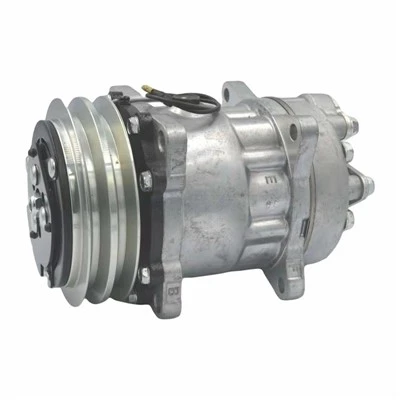
Agricultural AC compressors play a crucial role in maintaining a comfortable environment within agricultural machinery and facilities. As a supplier of agricultural AC compressors, I’ve witnessed firsthand the importance of ensuring compatibility between these compressors and other components in the system. In this blog post, I’ll delve into the various compatibility issues that can arise and how to address them. Agricultural AC Compressor
Electrical Compatibility
One of the primary compatibility concerns is electrical. Agricultural AC compressors typically operate on specific voltage and frequency requirements. If these requirements are not met, it can lead to a range of problems. For instance, if the voltage supplied is too low, the compressor may not start or may operate inefficiently. On the other hand, excessive voltage can cause overheating and damage to the compressor’s motor.
When integrating an agricultural AC compressor into an existing electrical system, it’s essential to conduct a thorough assessment of the system’s electrical capacity. This includes checking the voltage stability, the amperage draw of the compressor, and the overall electrical load of the system. In some cases, it may be necessary to install voltage regulators or transformers to ensure that the compressor receives the correct electrical supply.
Another aspect of electrical compatibility is the control circuitry. Modern agricultural AC compressors often come with advanced control features, such as variable speed operation and digital controls. These controls need to be compatible with the existing control system in the agricultural machinery or facility. Incompatible control signals can lead to improper compressor operation, reduced efficiency, and even system failures.
Refrigerant Compatibility
Refrigerants are the lifeblood of any AC system, and agricultural AC compressors are no exception. Different compressors are designed to work with specific refrigerants, and using an incompatible refrigerant can have serious consequences. For example, some refrigerants may have different pressure-temperature characteristics, which can affect the compressor’s performance and efficiency.
In addition, using an incompatible refrigerant can also lead to chemical reactions within the compressor, causing corrosion and damage to internal components. This can result in reduced compressor lifespan and increased maintenance costs.
As a supplier, I always recommend that customers use the refrigerant specified by the compressor manufacturer. It’s also important to ensure that the refrigerant is properly charged and maintained. Overcharging or undercharging the refrigerant can also lead to compatibility issues and affect the performance of the AC system.
Mechanical Compatibility
Mechanical compatibility is another critical factor to consider. Agricultural AC compressors are often installed in harsh environments, and they need to be able to withstand the vibrations, shocks, and temperature variations associated with agricultural machinery and facilities.
The compressor’s mounting and connection points need to be compatible with the existing structure and components. For example, if the compressor is too large or too heavy for the mounting bracket, it can cause excessive stress and damage to the bracket and the compressor itself. Similarly, the refrigerant lines and electrical connections need to be properly sized and connected to ensure a leak-free and reliable operation.
In addition, the compressor’s lubrication system needs to be compatible with the other components in the system. Some compressors require specific types of lubricants, and using an incompatible lubricant can lead to increased friction, wear, and damage to the compressor’s internal components.
System Integration Compatibility
When integrating an agricultural AC compressor into an existing AC system, it’s important to consider the overall system compatibility. This includes the evaporator, condenser, expansion valve, and other components.
The capacity of the compressor needs to be matched with the capacity of the other components in the system. If the compressor is too large or too small for the system, it can lead to inefficient operation, reduced cooling capacity, and increased energy consumption.
In addition, the flow rate and pressure of the refrigerant need to be compatible throughout the system. Incompatible flow rates and pressures can cause refrigerant leaks, poor heat transfer, and reduced system performance.
Addressing Compatibility Issues
To address compatibility issues, it’s important to work closely with the customer and understand their specific requirements. As a supplier, I offer technical support and guidance to help customers select the right compressor and ensure its compatibility with their existing system.
Before installation, I recommend conducting a detailed system analysis to identify any potential compatibility issues. This includes checking the electrical, refrigerant, mechanical, and system integration aspects of the system. Based on the analysis, I can provide recommendations on the appropriate compressor model, refrigerant type, and installation procedures.
During installation, it’s important to follow the manufacturer’s instructions and guidelines carefully. This includes proper mounting, connection, and charging of the compressor and other components. Regular maintenance and inspection are also essential to ensure the continued compatibility and performance of the AC system.
Conclusion
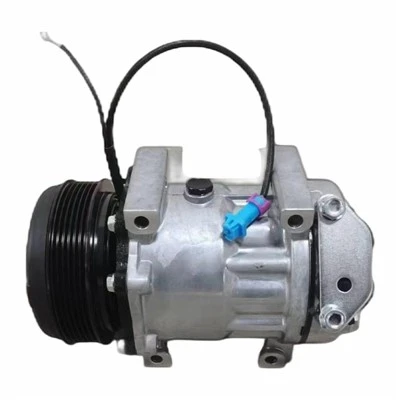
Compatibility issues between agricultural AC compressors and other components can have a significant impact on the performance, efficiency, and lifespan of the AC system. As a supplier, I’m committed to providing high-quality compressors and ensuring their compatibility with the customer’s existing system. By addressing these compatibility issues proactively, we can help our customers achieve optimal performance and reliability from their agricultural AC systems.
Agricultural AC Compressor If you’re in the market for an agricultural AC compressor or have any questions about compatibility issues, I encourage you to contact me for a consultation. I’ll be happy to help you select the right compressor and ensure its seamless integration into your system.
References
- ASHRAE Handbook – Refrigeration. American Society of Heating, Refrigerating and Air-Conditioning Engineers.
- Compressor Manufacturer’s Technical Manuals. Various manufacturers.
- Agricultural Machinery Design and Operation Guidelines. Industry standards and best practices.
Jiangsu Nuoyan New Energy Vehicle Air Conditioning Co., Ltd.
With abundant experience, we are one of the most professional agricultural ac compressor manufacturers and suppliers in China. We warmly welcome you to buy customized agricultural ac compressor at competitive price from our factory. Also, quotation is available.
Address: No. 7 Xingyuan Road, Huangqiao Economic Development Zone, Taixing City, Jiangsu
E-mail: nuyantech2026@163.com
WebSite: https://www.nuyantech.com/
