What are the disadvantages of an electrostatic oil mist collector?
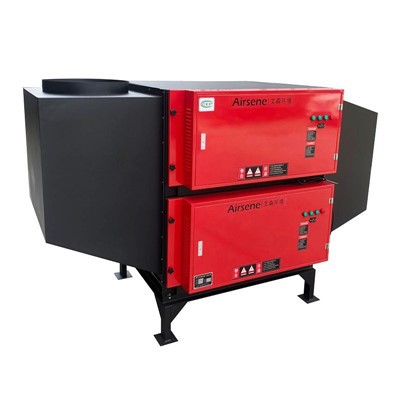
As a supplier of oil mist collectors, I’ve had the opportunity to work closely with a wide range of industrial clients, helping them address the challenges posed by oil mist in their workplaces. While electrostatic oil mist collectors are renowned for their high – efficiency in capturing and removing oil mist from the air, it’s important to be transparent about their limitations. In this blog, I’ll delve into the potential disadvantages of electrostatic oil mist collectors. Oil Mist Collector
High Initial Cost
One of the most significant drawbacks of electrostatic oil mist collectors is their high initial purchase price. Compared to some other types of oil mist collectors, such as mechanical filters, electrostatic models require more complex technology and components. The sophisticated design of the electrostatic precipitator, which is the core of these collectors, involves high – voltage power supplies, specialized electrodes, and control systems. These elements contribute to a higher manufacturing cost, which is then passed on to the customer.
For small and medium – sized enterprises (SMEs) with limited budgets, the upfront investment in an electrostatic oil mist collector can be a major deterrent. They may opt for less expensive alternatives, even if those alternatives are less effective in the long run. For example, a small machining workshop might find it difficult to justify spending tens of thousands of dollars on an electrostatic collector when a simple mechanical filter can be purchased for a fraction of the cost.
Complex Installation and Maintenance
Installing an electrostatic oil mist collector is not a straightforward process. It requires a certain level of technical expertise. The high – voltage components need to be carefully installed and grounded to ensure safety. Improper installation can lead to electrical hazards, reduced performance, or even equipment failure.
Maintenance of electrostatic oil mist collectors is also more complex compared to other types of collectors. The electrodes need to be regularly cleaned to maintain their efficiency. Over time, oil and other contaminants can accumulate on the electrodes, reducing their ability to attract and capture oil mist particles. This cleaning process often involves disassembling parts of the collector, which can be time – consuming and requires specific tools and procedures.
Moreover, the high – voltage power supply needs to be regularly inspected and maintained. Any malfunction in the power supply can disrupt the operation of the collector and may require the services of a trained technician. This can result in additional costs for the end – user, both in terms of the technician’s fees and the downtime of the equipment.
Limited Effectiveness for Certain Types of Oil Mist
Electrostatic oil mist collectors are highly effective for capturing fine oil mist particles. However, they may not be as efficient when dealing with large or sticky oil droplets. Large droplets may not be easily charged by the electrostatic field, and they can bypass the collector without being captured. Sticky oil droplets can also cause problems by adhering to the electrodes and other components of the collector, reducing its performance over time.
In some industrial processes, such as heavy – duty machining or metalworking operations, large and sticky oil droplets are common. In these cases, an electrostatic oil mist collector may need to be used in combination with other types of collectors, such as mechanical pre – filters, to achieve optimal results. This adds to the complexity and cost of the overall air purification system.
Safety Concerns
The high – voltage nature of electrostatic oil mist collectors poses certain safety risks. If not properly installed and maintained, the high – voltage components can cause electric shocks, which can be dangerous or even fatal. Workers need to be trained on how to safely operate and maintain the equipment to minimize these risks.
In addition, the presence of oil mist in the workplace can create a fire hazard. Although electrostatic oil mist collectors are designed to reduce the concentration of oil mist in the air, there is still a risk of ignition if the oil mist accumulates in the collector or in the surrounding environment. Special precautions need to be taken to prevent fires, such as ensuring proper ventilation and regular cleaning of the collector.
Noise Pollution
Electrostatic oil mist collectors can generate a significant amount of noise during operation. The fans and other moving parts of the collector produce noise, which can be a nuisance in the workplace. High levels of noise can cause hearing damage to workers over time and can also affect their productivity and well – being.
To mitigate the noise issue, additional sound – proofing measures may need to be taken, such as installing acoustic enclosures around the collector. However, these measures add to the cost and complexity of the system.
Environmental Impact of Disposal
When an electrostatic oil mist collector reaches the end of its useful life, the disposal of its components can pose environmental challenges. The high – voltage components, such as the power supply and electrodes, may contain hazardous materials, such as heavy metals. Improper disposal of these components can lead to environmental pollution.
In addition, the oil and contaminants collected by the collector need to be properly disposed of. If not handled correctly, the collected oil can contaminate soil and water sources. It’s important for users to follow proper disposal procedures to minimize the environmental impact.
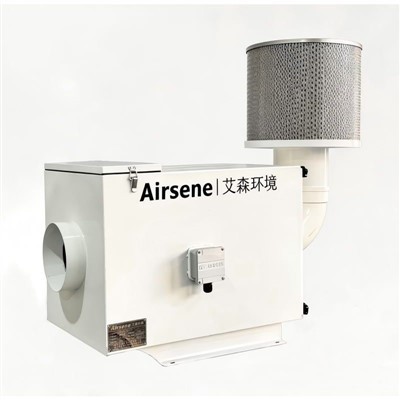
Despite these disadvantages, electrostatic oil mist collectors still offer many benefits, such as high – efficiency filtration, long – term cost savings, and improved air quality in the workplace. As a supplier, I always work with my clients to understand their specific needs and challenges. If an electrostatic oil mist collector is not the best fit for their situation, I can recommend alternative solutions or suggest ways to mitigate the drawbacks.
Filter Purifier If you’re facing challenges with oil mist in your workplace and are considering an oil mist collector, I’d be more than happy to discuss your options. Whether you need a customized solution or just some expert advice, feel free to reach out. Let’s work together to find the best air purification solution for your business.
References
- "Industrial Air Pollution Control Technology", Author: John Smith, Publisher: ABC Publishing, 2018
- "Electrostatic Precipitation: Principles and Applications", Author: Jane Doe, Publisher: XYZ Press, 2020
- "Oil Mist Collection in Manufacturing", Industry Report published by Industrial Research Institute, 2022
Shaoxing Airsene Environmental Technology Co., Ltd.
As one of the most professional oil mist collector manufacturers in China, we’re featured by quality products and low price. Please rest assured to buy discount oil mist collector made in China here from our factory. We also accept customized orders.
Address: No. 1821, Renmin West Road, Shangyu Economic Development Zone, Shaoxing, Zhejiang Province
E-mail: airsene@163.com
WebSite: https://www.airsene.net/
